American-Style Mountain Goat Steak
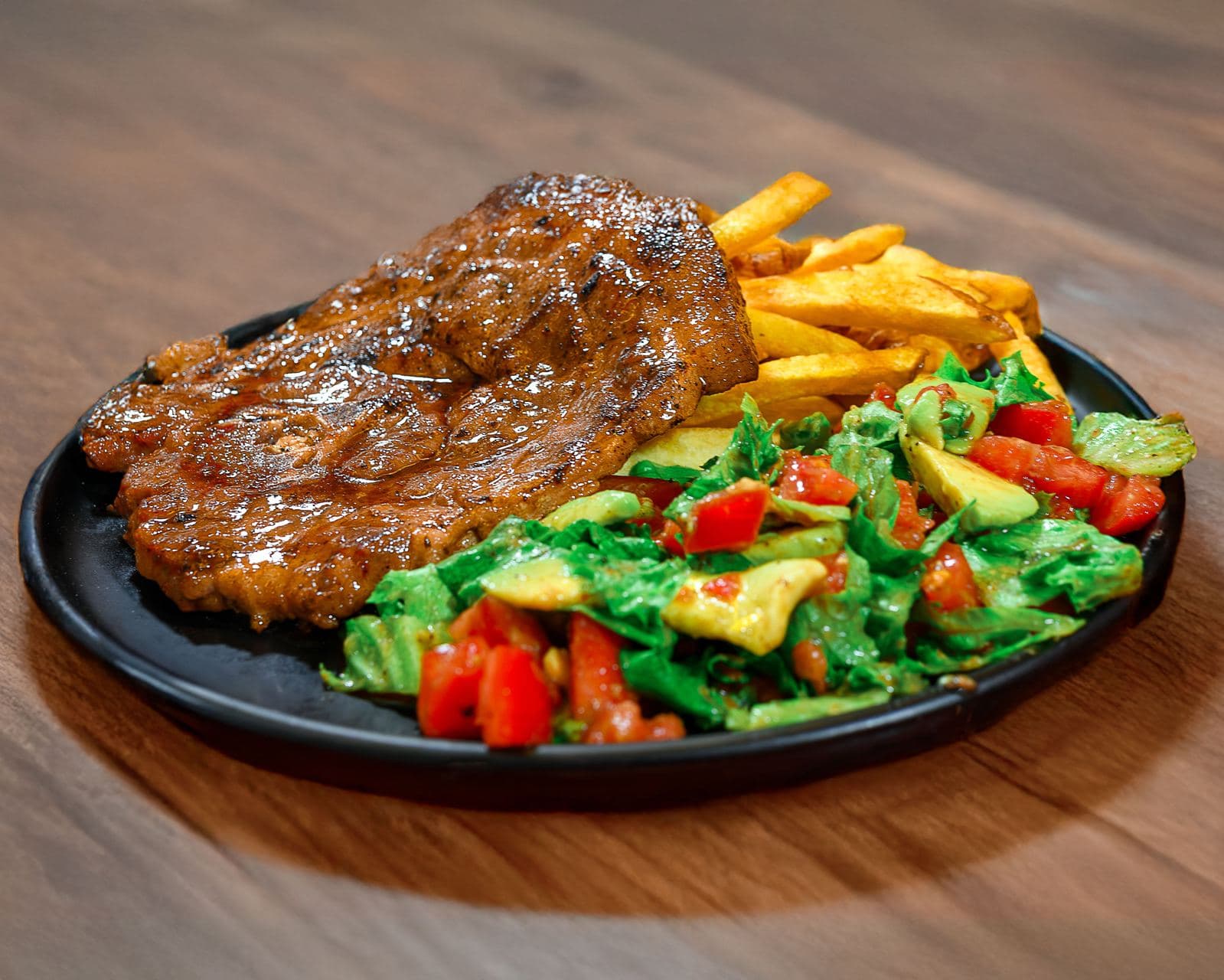
A thick goat steak rubbed with garlic, paprika and herbs, then seared over a wood campfire on a hot flat stone until deeply browned and tender.
By Steak House Diaries Kitchen Desk | Published | Updated
About this recipe
Campfire-seared goat steak with a smoky crust and a simple herb-and-garlic marinade.
It falls under our Mutton & Goat collection and is tagged goat, steak, campfire, grilling. Read the tips and substitutions below the recipe card before you start, and scan the ingredients first so nothing surprises you mid-cook.
American-Style Mountain Goat Steak
https://www.steakhousediaries.com/recipes/american-style-mountain-goat-steak
- Prep
- 15 min
- Cook
- 15 min
- Total
- 1 hr 15 min
- Servings
- 1 thick steak, serves 2
- Difficulty
- Medium
Ingredients
For the steak
- 1 thick goat steak
- 1 tablespoon olive oil
- 1 teaspoon salt
- 1 teaspoon freshly ground black pepper
- 1 teaspoon garlic paste
- ½ teaspoon paprika
- ½ teaspoon dried mixed herbs
- ½ teaspoon crushed chili flakes, optional
- 1 teaspoon lemon juice
- Fresh green herbs or leaves, for aroma
- Wood, for the campfire
Equipment
- Campfire or charcoal grill
- Clean flat stone or cast-iron cooking surface
- Tongs
- Instant-read thermometer
Instructions
Step 1: Prepare the steak
Pat the goat steak dry with a clean cloth or paper towel. Make a few shallow cuts on the surface so the marinade can penetrate the meat.
Step 2: Marinate
Add olive oil, salt, black pepper, garlic paste, paprika, mixed herbs, chili flakes and lemon juice. Rub the mixture thoroughly over both sides of the steak. Lay fresh green herbs over it and let it marinate for at least 30 to 60 minutes.
Step 3: Prepare the outdoor cooking area
Light a small wood fire in a safe outdoor cooking area. Use a clean, food-safe flat stone or cast-iron cooking surface, and let it heat through fully before cooking.
Step 4: Cook the steak
Lightly oil the hot cooking surface and place the marinated steak on it. Sear until the outside develops a deep golden-brown crust. Turn and cook the other side, continuing to turn as needed until the steak reaches a safe internal temperature.
Step 5: Finish the steak
Remove the steak from the heat and let it rest for 5 minutes. Use a clean wooden or metal fork to pull apart a piece to reveal the juicy, tender interior.
Step 6: Why a fully heated stone makes or breaks this steak
A flat stone or cast-iron surface over a campfire is not like a kitchen pan, because you cannot turn the heat up or down with a dial. The whole trick of this recipe is getting that surface fully hot before the steak ever touches it, and then managing the fire around it. When the stone is heated right through, the steak sears the moment it lands. That fast, hard sear is what builds the deep golden-brown crust the recipe asks for, and it seals the outside before the inside has time to dry out. If the stone is only warm on top and cool underneath, the steak sits and steams in its own juices instead of browning, and by the time any crust appears the centre is already overcooked. This is also why the recipe has you pat the steak dry and make shallow cuts first. A dry surface browns; a wet one steams. The shallow cuts let the garlic, paprika and herb rub reach past the surface during the 30 to 60 minutes of marinating, which matters for goat, because the flavour of the rub has to work its way in rather than sitting only on the outside. The fresh green herbs laid over the steak while it marinates add aroma as it cooks, but they are not the main seasoning — the salt, garlic paste and paprika rubbed into the cuts are. Once the steak is on the stone, watch the fire, not the clock. Campfire heat is uneven by nature: one corner of the stone will always run hotter than another. That is why the recipe keeps a cooler edge of the fire in reserve. If the crust is darkening too fast, slide the steak to the cooler side instead of lifting it off entirely; it keeps cooking gently while the crust stops racing ahead. Turn as needed, and judge doneness with the thermometer the recipe lists, aiming for the safe temperature for goat, then rest the steak for 5 minutes as directed. The rest is not wasted time. It lets the juices settle back through the meat so the first cut does not spill them onto the board, and it is what makes the inside taste juicy and tender rather than dry.
Cooking tips
- Bring the steak closer to room temperature before it hits the hot stone; a cold center cooks unevenly.
- A thick steak sears better than a thin one over open flame, since it gives you time to build a crust before the center overcooks.
- Keep a cooler edge of the fire to move the steak to if it starts to char too fast.
Storage and reheating
Storage: Refrigerate leftover cooked steak in an airtight container for up to 3 days.
Reheating: Reheat gently in a covered skillet over low heat, or slice thin and warm in a hot pan for 1 to 2 minutes per side to avoid overcooking.
Ingredient substitutions
- No goat available? Lamb steak or a thick-cut beef sirloin both work with the same marinade and timing.
- Swap the flat stone for a cast-iron skillet set directly over the campfire grate if you don't have a food-safe stone.
Nutrition information
Approximate values per serving, estimated from typical ingredient data. Results vary with brands and portions; this is not medical or dietary advice.
| Calories | 410 |
|---|---|
| Total fat | 26 g |
| Saturated fat | 7 g |
| Carbohydrates | 3 g |
| Fiber | 1 g |
| Sugar | 1 g |
| Protein | 40 g |
| Sodium | 620 mg |
Frequently asked questions
What internal temperature is safe for goat steak?
Goat is safe at a minimum internal temperature of 145°F (63°C), followed by a 3-minute rest, per USDA guidance for whole cuts of meat.
Can I cook this on a regular grill instead of a campfire?
Yes. Heat a grill or cast-iron skillet until very hot and sear the steak the same way; you'll lose some of the wood-smoke flavor but the technique is identical.
How do I know the stone is hot enough before I start?
Let it heat through fully over the fire, then flick a few drops of water onto it — they should sizzle and vanish at once. If they sit and bubble lazily, the stone is not ready and the steak will steam instead of sear.
Why does goat steak dry out if I cook it like beef?
Goat is a leaner meat, so it has less fat to forgive extra time on the heat. That is why this recipe uses a thick steak, a fast hard sear, and a short rest: the crust forms quickly while the centre stays juicy, instead of a long cook that dries the whole steak out.
Related recipes
 Mutton & Goat
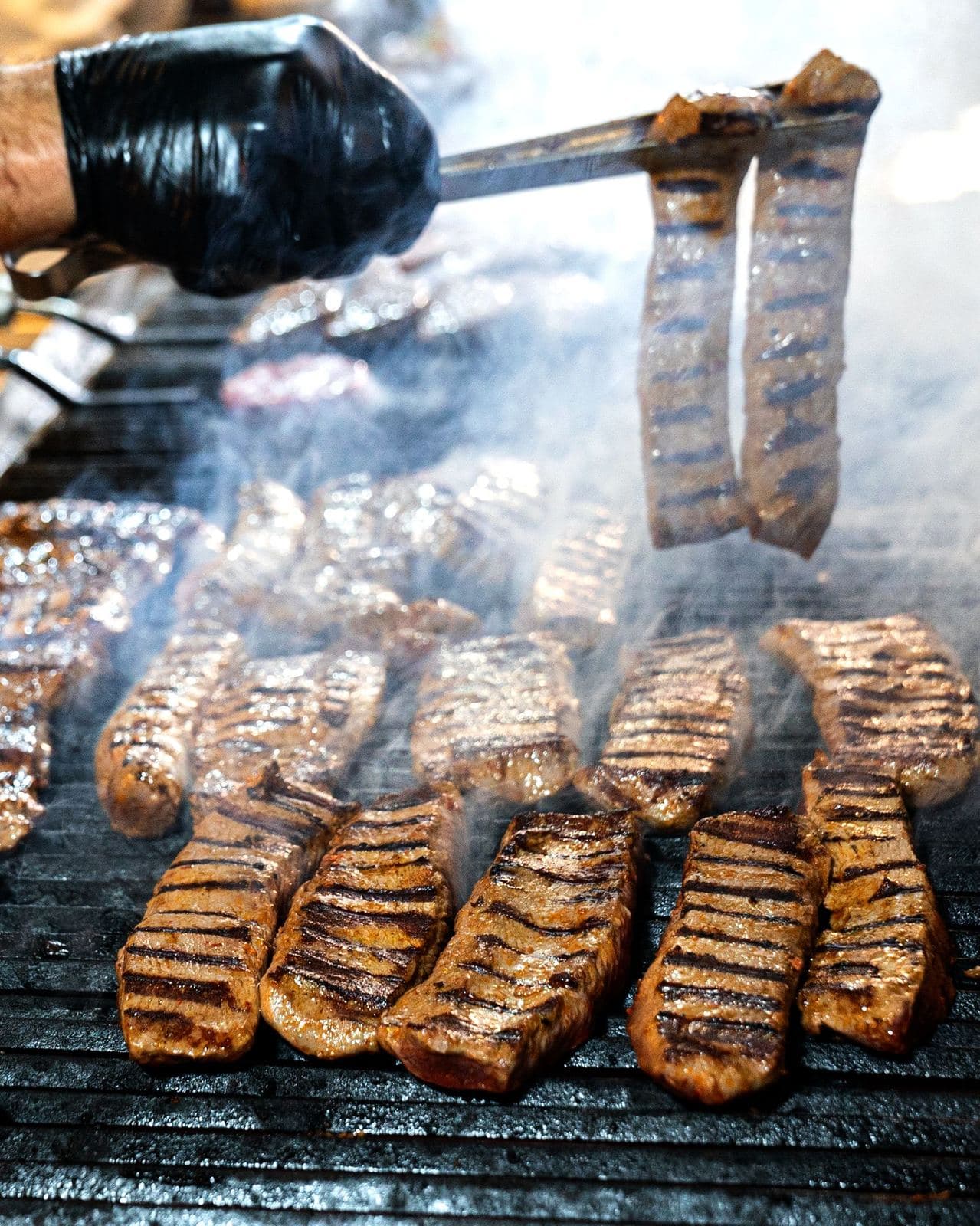
Jungle Fire-Grilled Mutton Steaks
Boneless mutton steaks marinated in ginger-garlic, crushed coriander and lemon juice, then grilled over steady wood coals until browned and tender.
- Prep
- 15 min
- Cook
- 20 min
- Level
- Medium
 Mutton & Goat
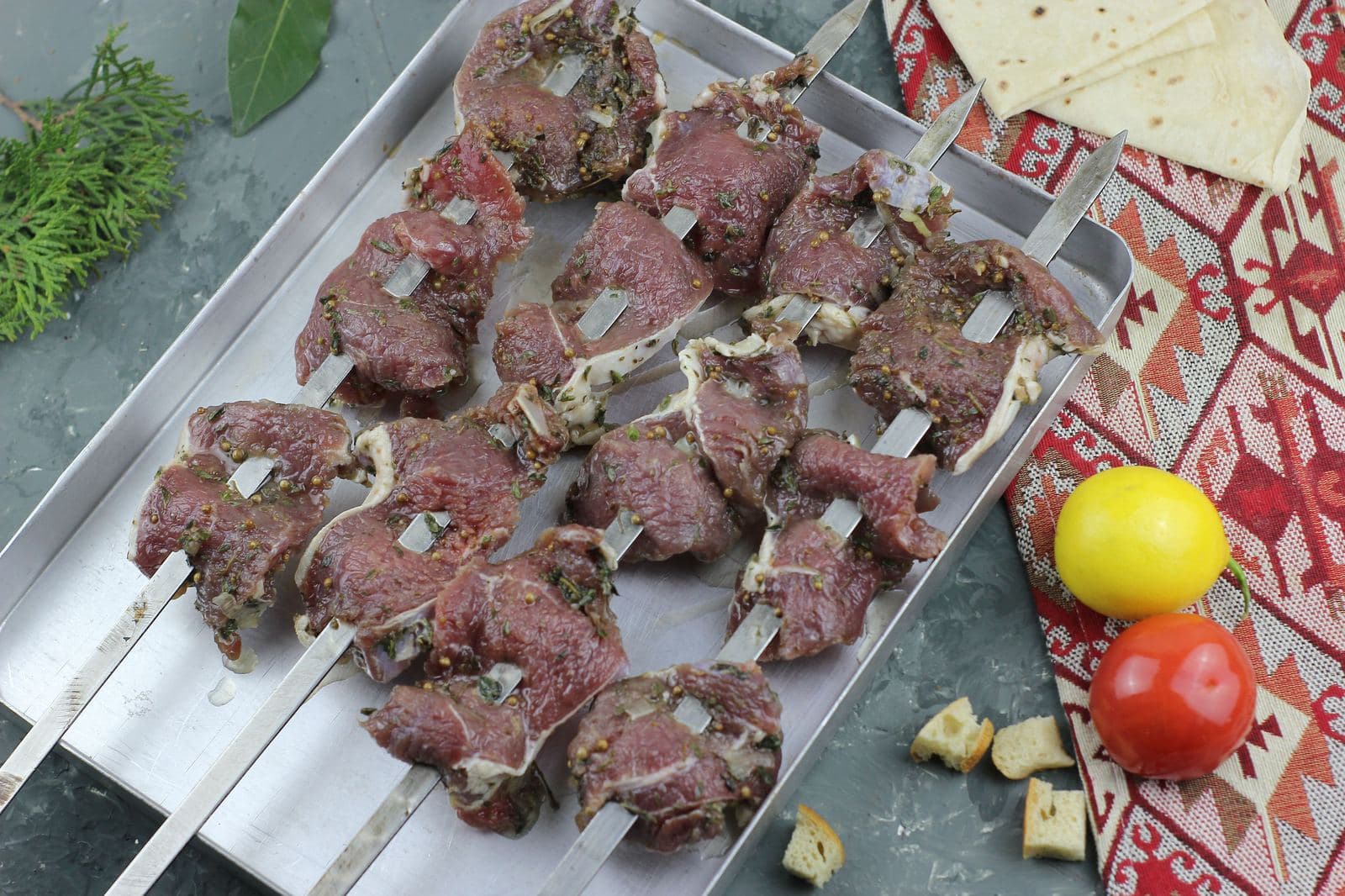
Juicy Herb-Marinated Bone-In Mutton Steak
A single thick bone-in mutton steak marinated with cheese, fresh coriander, mint and lemon, then grilled slowly over charcoal until smoky, tender and pulled easily from the bone.
- Prep
- 15 min
- Cook
- 20 min
- Level
- Medium
 Mutton & Goat
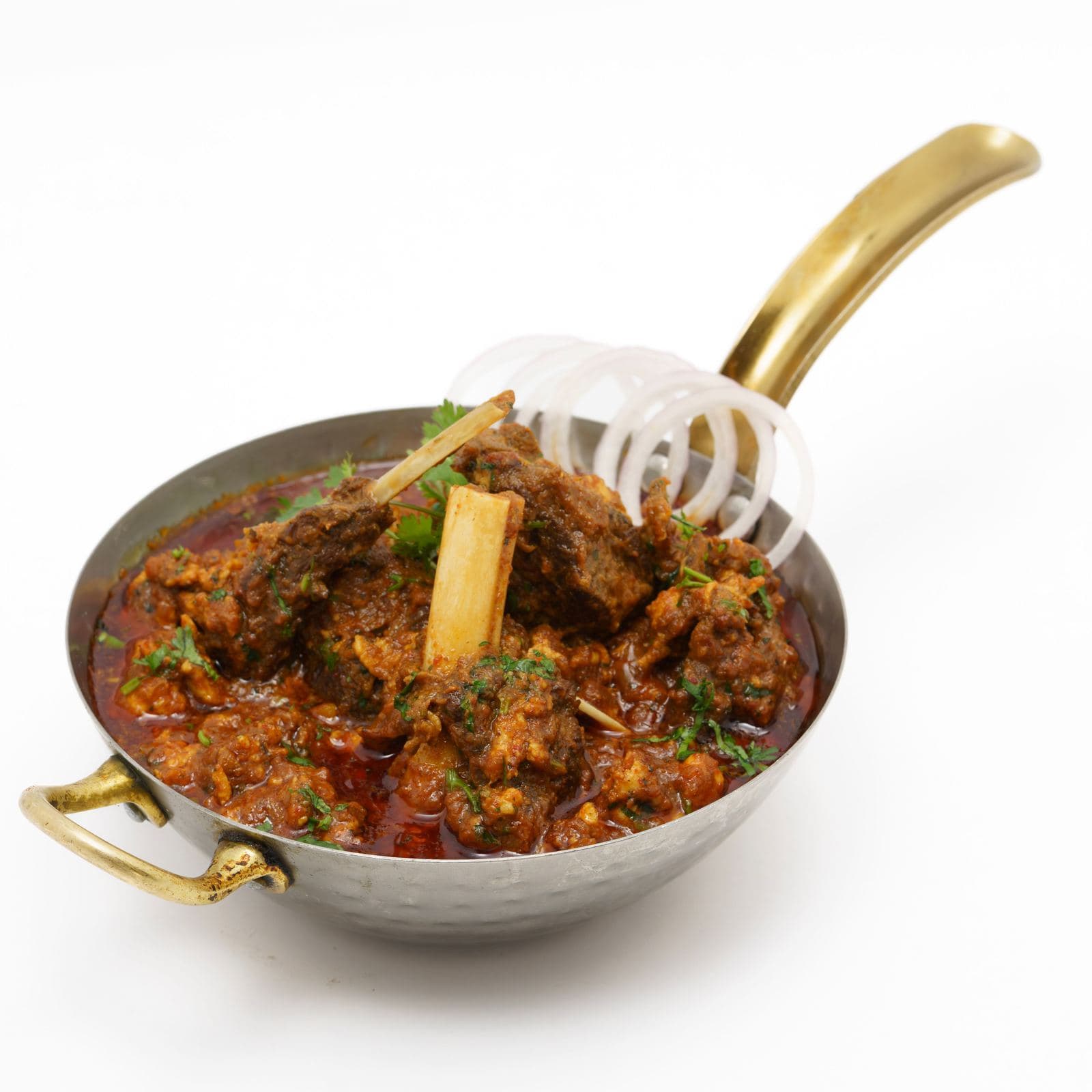
Coal-Cooked Mutton
Mutton fried until browned, then wrapped in foil with whole garlic, ginger, tomatoes, onions and green chilies and buried in hot coals until fully tender.
- Prep
- 20 min
- Cook
- 1 hr
- Level
- Medium
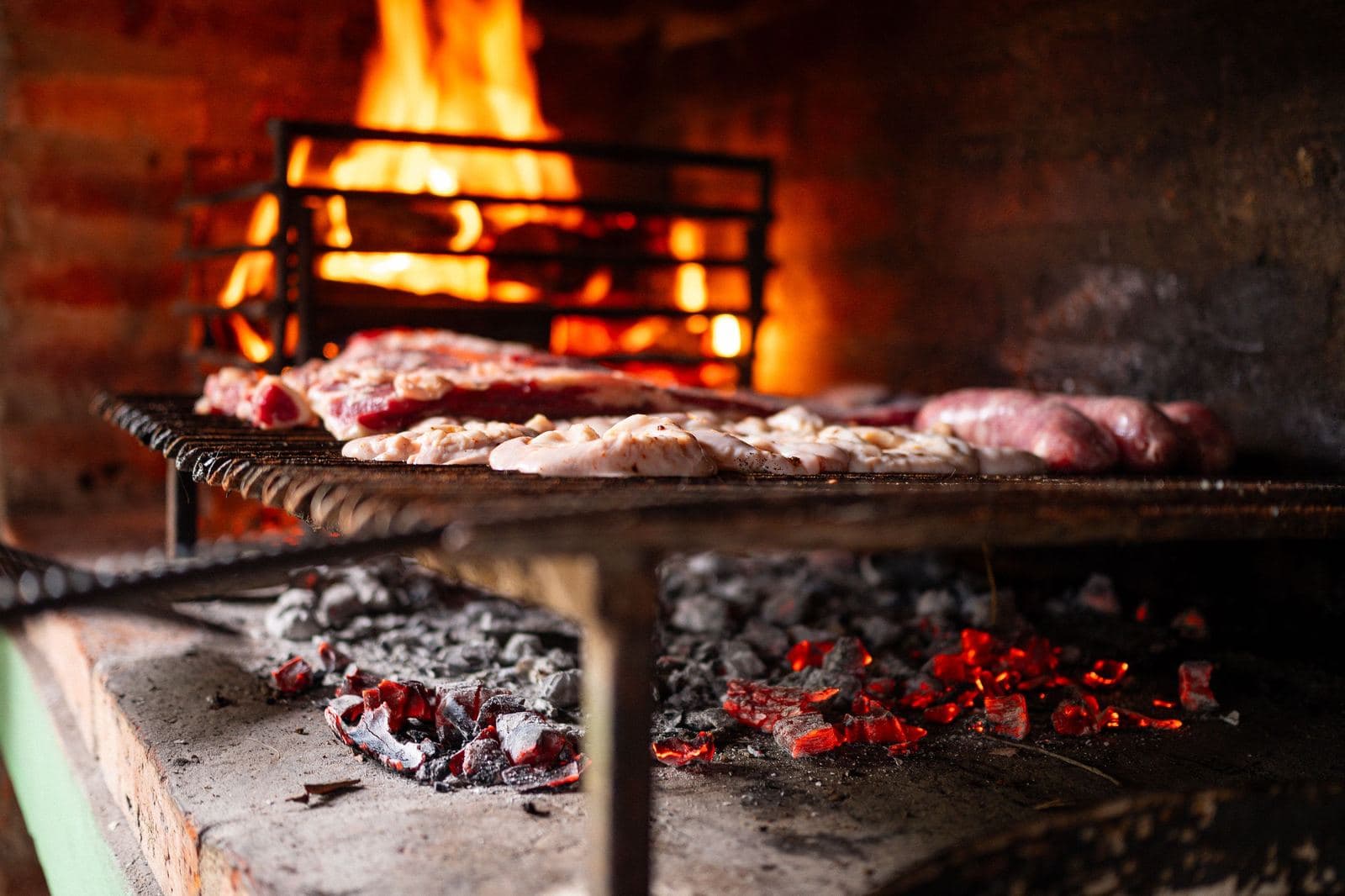 Mutton & Goat
Buried Coal Mutton Leg
A whole mutton leg marinated with ginger-garlic, garam masala and butter, wrapped in foil with onions and tomatoes, and slow-cooked buried in a bed of hot charcoal.
- Prep
- 25 min
- Cook
- 2 hr 30 min
- Level
- Advanced
Related articles
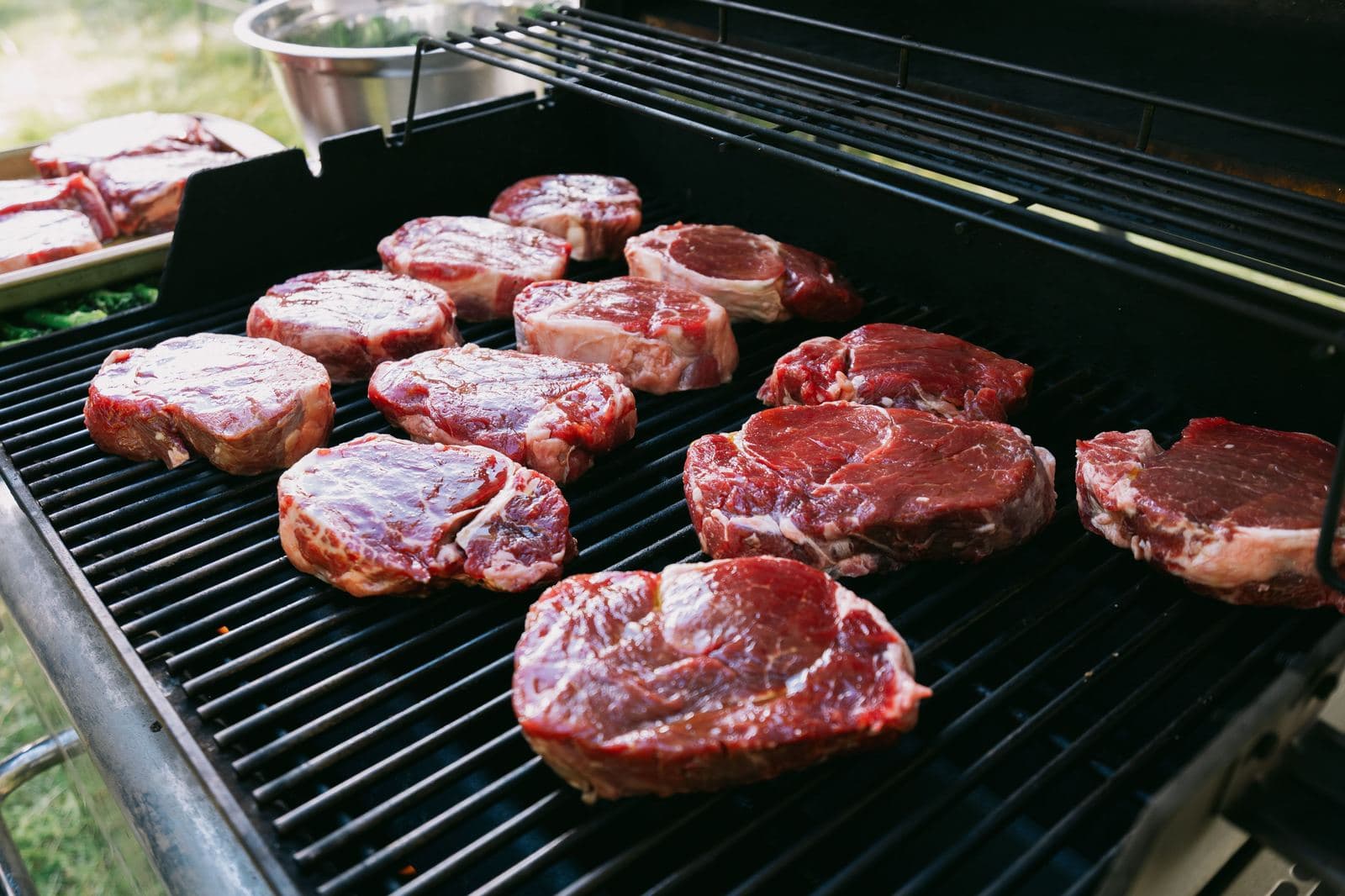 Cooking Tips
How to Marinate and Grill the Perfect Steak
Scoring, marinating and grilling goat and mutton steaks so they turn out tender.
· 4 min read
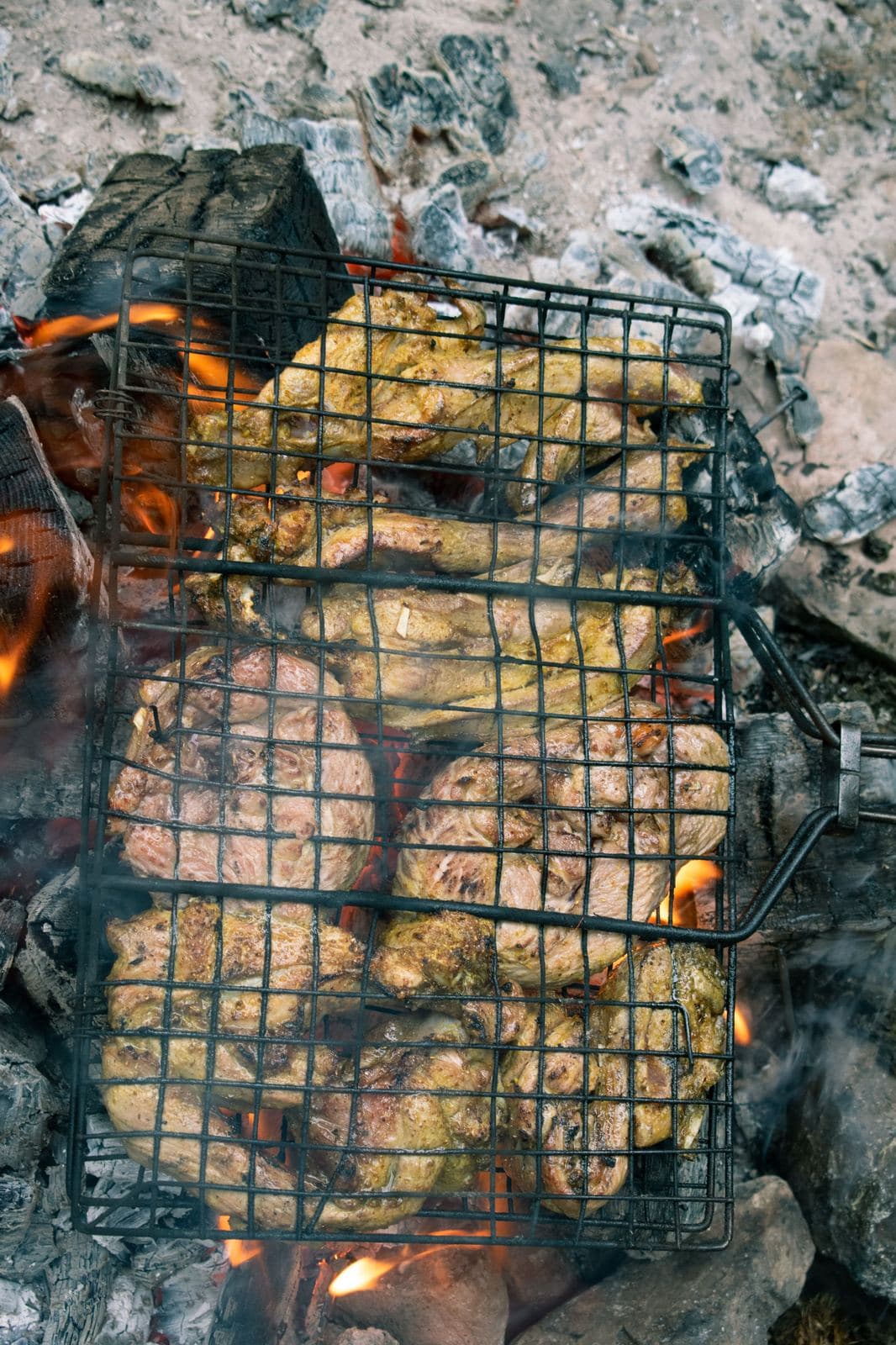 Cooking Tips
How to Cook Over an Open Fire
Building the right fire, timing your marinade and checking doneness without a kitchen.
· 5 min read