Cooking Tips
How to Marinate and Grill the Perfect Steak
A practical guide to marinating and grilling goat, mutton and lamb steaks: scoring the meat, timing the marinade, and reading the grill instead of the clock.
By Steak House Diaries Editorial Desk | Published | Updated | 4 min read
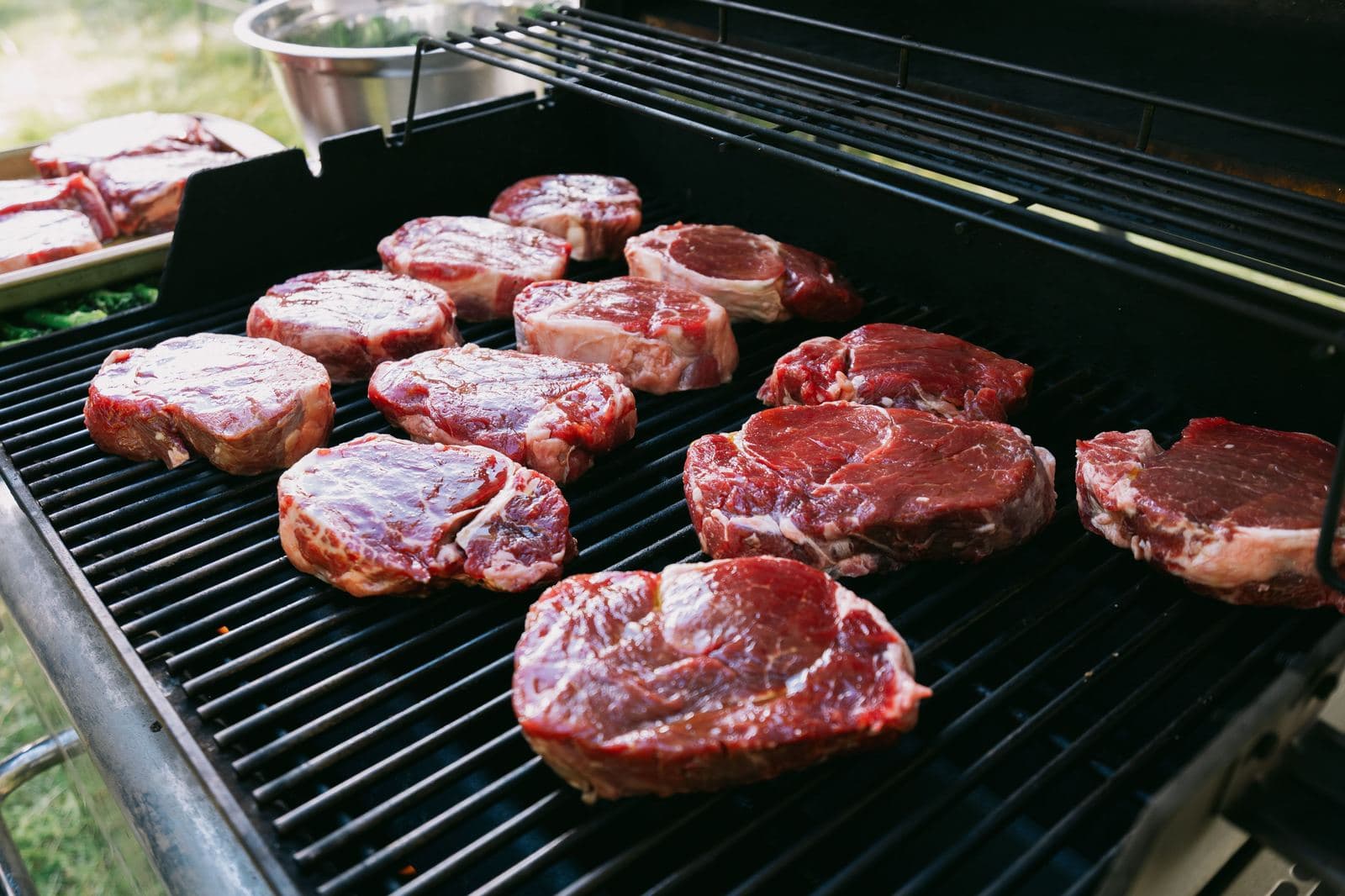
Goat and mutton steaks reward a bit more attention than a quick beef steak: the cuts are leaner and can turn tough if they're rushed, but a proper score, marinade and grilling technique gets you a tender, well-seasoned result every time.
Score before you marinate
Shallow cuts across the surface of a steak do more for flavor than extra marinating time. They give the salt, acid and spices a path into the meat instead of leaving them to sit on top.
Cut about ¼ inch (6 mm) deep in a light crosshatch pattern on both sides, being careful not to cut all the way through thinner steaks.
Try the recipes: American-Style Mountain Goat Steak, Jungle Fire-Grilled Mutton Steaks
Give the marinade time to work
Thirty to sixty minutes at room temperature is enough for a standard steak; a bone-in cut or a thicker steak benefits from one to two hours, refrigerated, for the flavor to reach deeper into the meat.
Don't skip the resting time after marinating and before cooking. Letting the meat come closer to room temperature helps it cook more evenly once it hits the heat.
Try the recipe: Juicy Herb-Marinated Bone-In Mutton Steak
Read the grill, not the clock
Every fire runs a little differently, so use the meat as your guide: a good crust has formed when the steak releases easily from the grill without sticking or tearing. If it's resisting, it needs more time on that side.
Turn the steak only once or twice. Flipping constantly keeps the surface from ever building a proper sear.
Rest before you cut
Let a grilled steak rest for at least 5 minutes before slicing into it. Cutting too soon lets the juices run out onto the plate instead of staying in the meat.
For thicker or bone-in cuts, use a fork to gently pull the meat apart rather than slicing straight through; it's a simple way to check that the center is tender all the way in.
Building a marinade that seasons, not just coats
A marinade has three jobs, and getting the balance right matters more than adding more ingredients. Salt is the only part that truly penetrates the meat, so it deserves first attention. Seasoning generously, or even salting the steaks ahead of time and letting them sit, does more for flavor than a long soak in a weak marinade. Acid, from lemon juice or vinegar, brightens the surface and helps the outer layer take on flavor, but it works only shallowly. Too much acid, or too long a soak, can turn the surface of a lean goat or mutton steak soft and mushy, which is why the thirty-to-sixty-minute window for thin steaks exists. Oil carries the flavors of garlic, herbs and spices onto the meat and helps the surface brown on the grill, but it does not carry flavor deep inside on its own. Sugar needs a warning of its own. Sweet marinades with honey, sugar or sweet chili sauce brown fast and burn faster, especially over the hot coals this guide uses. If your marinade is sweet, keep the grill slightly cooler than usual and watch the crust closely, moving the steak to the cooler side the moment it colors. And keep the marinade proportions simple: roughly equal parts oil and acid, salt to taste, and aromatics like garlic and herbs for character. A marinade that smells balanced in the bowl will taste balanced on the steak, while one that is all acid or all sugar will announce itself in the first bite.
Slicing and serving goat and mutton steaks
How you slice a grilled steak matters as much as how you grill it, especially with lean goat and mutton. Once the steak has rested, look for the direction the muscle fibers run and slice across them, not along them. Cutting across the grain shortens the fibers, so each slice feels tender to chew instead of stringy. Keep the slices thin, roughly the width of a pencil, for lean cuts. Thick slices of a lean steak can feel tough even when the cooking was perfect, while thin slices of the same steak eat beautifully. Do not throw away the board juices. As you slice, a pool of juices mixed with melted fat and seasoning gathers on the board, and spooning it back over the sliced meat is the simplest sauce this dish needs. Serve the slices on warm plates so they do not cool while you finish the rest of the meal, and fan them out slightly rather than stacking them in a pile, which traps steam and softens the crust you worked to build. For thicker or bone-in cuts, the fork-pull check from this guide still applies: if the meat pulls apart gently in the center, it is ready to slice and serve. If it resists, give it another minute over the cooler side of the fire rather than slicing into a tough center. Serve promptly once sliced, because thin slices cool quickly, and a steak that was perfect off the fire turns lukewarm on a cold plate in minutes. Warm plates are a small step that protects everything the grill just did.
Frequently asked questions
What's the minimum safe temperature for goat and mutton steaks?
145°F (63°C) for whole cuts, followed by a 3-minute rest, per USDA guidance for lamb, goat and similar whole-muscle cuts.
Can I marinate overnight instead of for an hour?
Yes, for bone-in or thicker cuts. Keep the meat covered and refrigerated, and bring it out about 20 minutes before grilling so it isn't cold in the center.
Should I pat the steak dry before it hits the grill?
Yes. A wet surface steams instead of searing, so pat the steak lightly with paper towels after marinating. A little seasoning will stay behind, and the crust will form much faster.
Can I reuse the leftover marinade as a sauce?
No. Marinade that touched raw meat should be discarded. If you want a sauce, set some marinade aside in a clean bowl before the raw meat goes in, and use only that reserved portion.
Related recipes
 Mutton & Goat
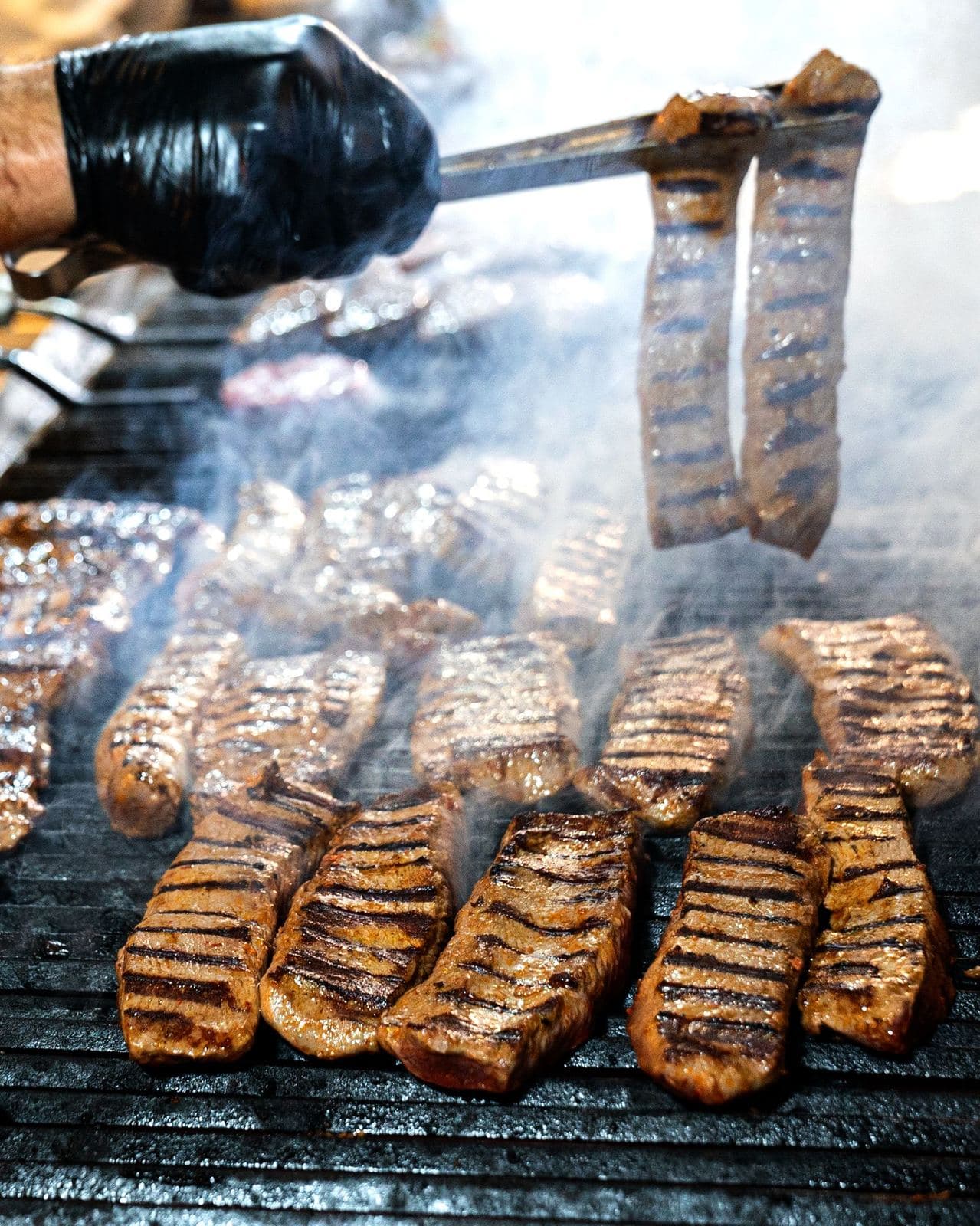
Jungle Fire-Grilled Mutton Steaks
Boneless mutton steaks marinated in ginger-garlic, crushed coriander and lemon juice, then grilled over steady wood coals until browned and tender.
- Prep
- 15 min
- Cook
- 20 min
- Level
- Medium
 Mutton & Goat
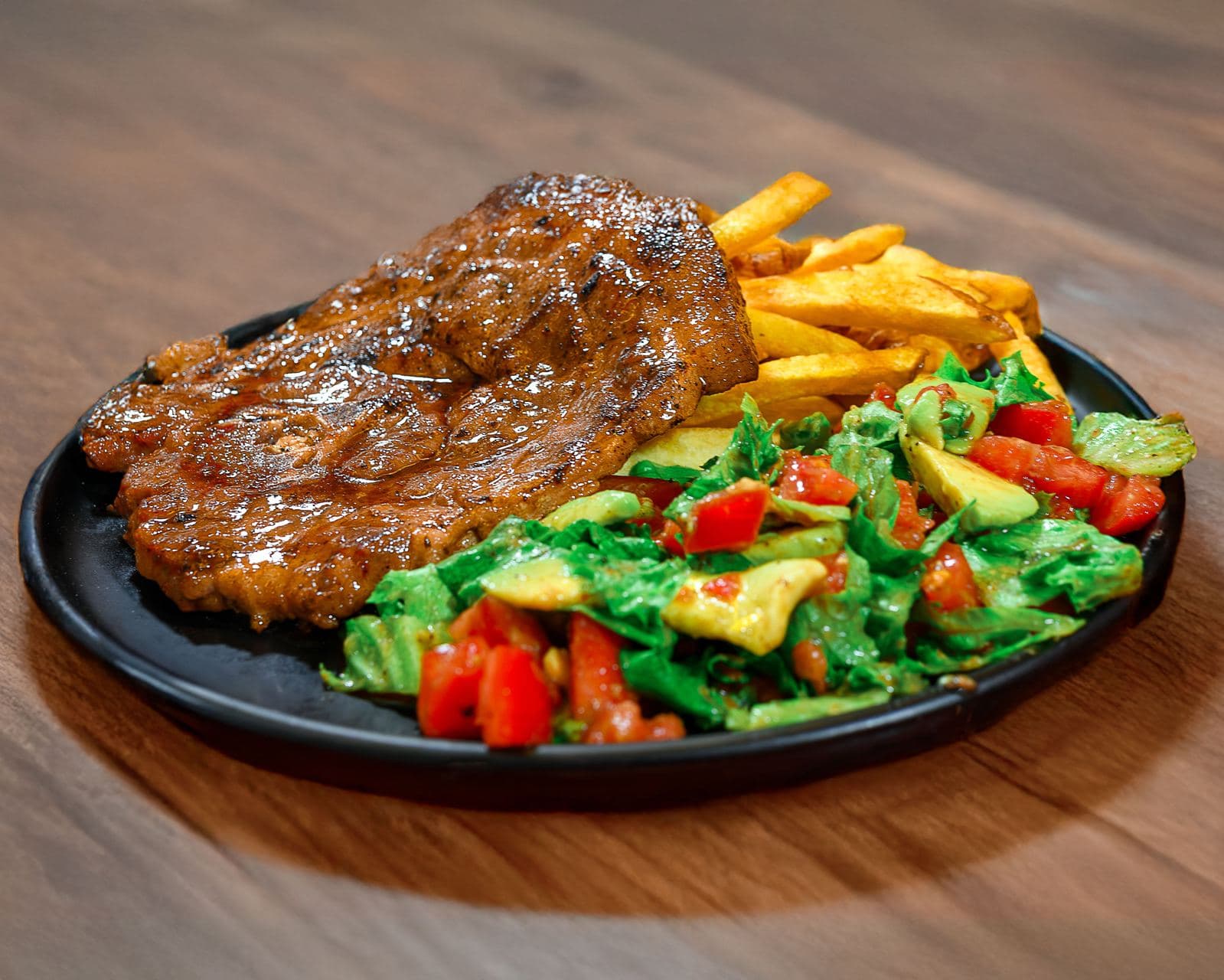
American-Style Mountain Goat Steak
A thick goat steak rubbed with garlic, paprika and herbs, then seared over a wood campfire on a hot flat stone until deeply browned and tender.
- Prep
- 15 min
- Cook
- 15 min
- Level
- Medium
 Mutton & Goat
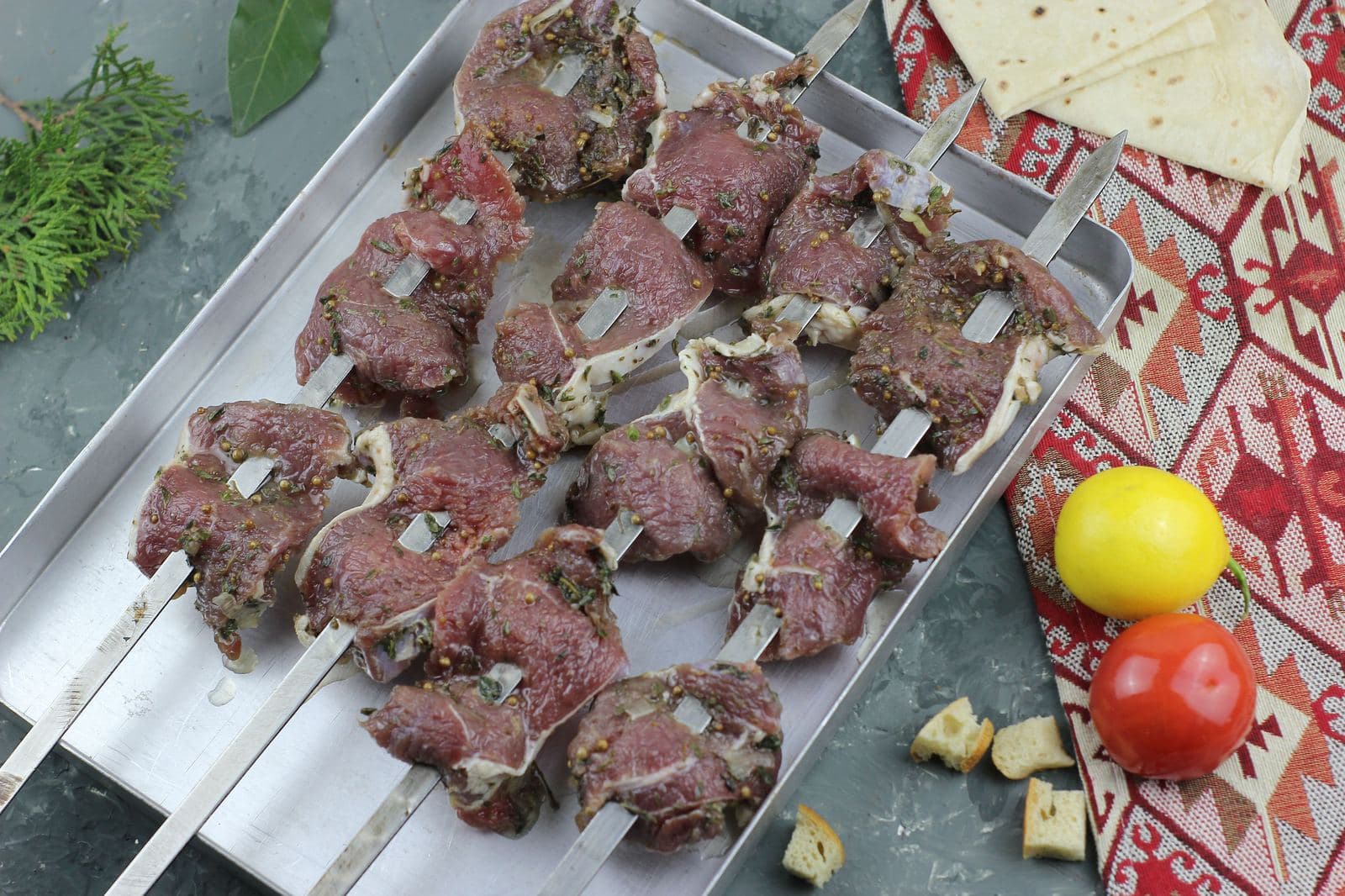
Juicy Herb-Marinated Bone-In Mutton Steak
A single thick bone-in mutton steak marinated with cheese, fresh coriander, mint and lemon, then grilled slowly over charcoal until smoky, tender and pulled easily from the bone.
- Prep
- 15 min
- Cook
- 20 min
- Level
- Medium
Related articles
 Cooking Tips
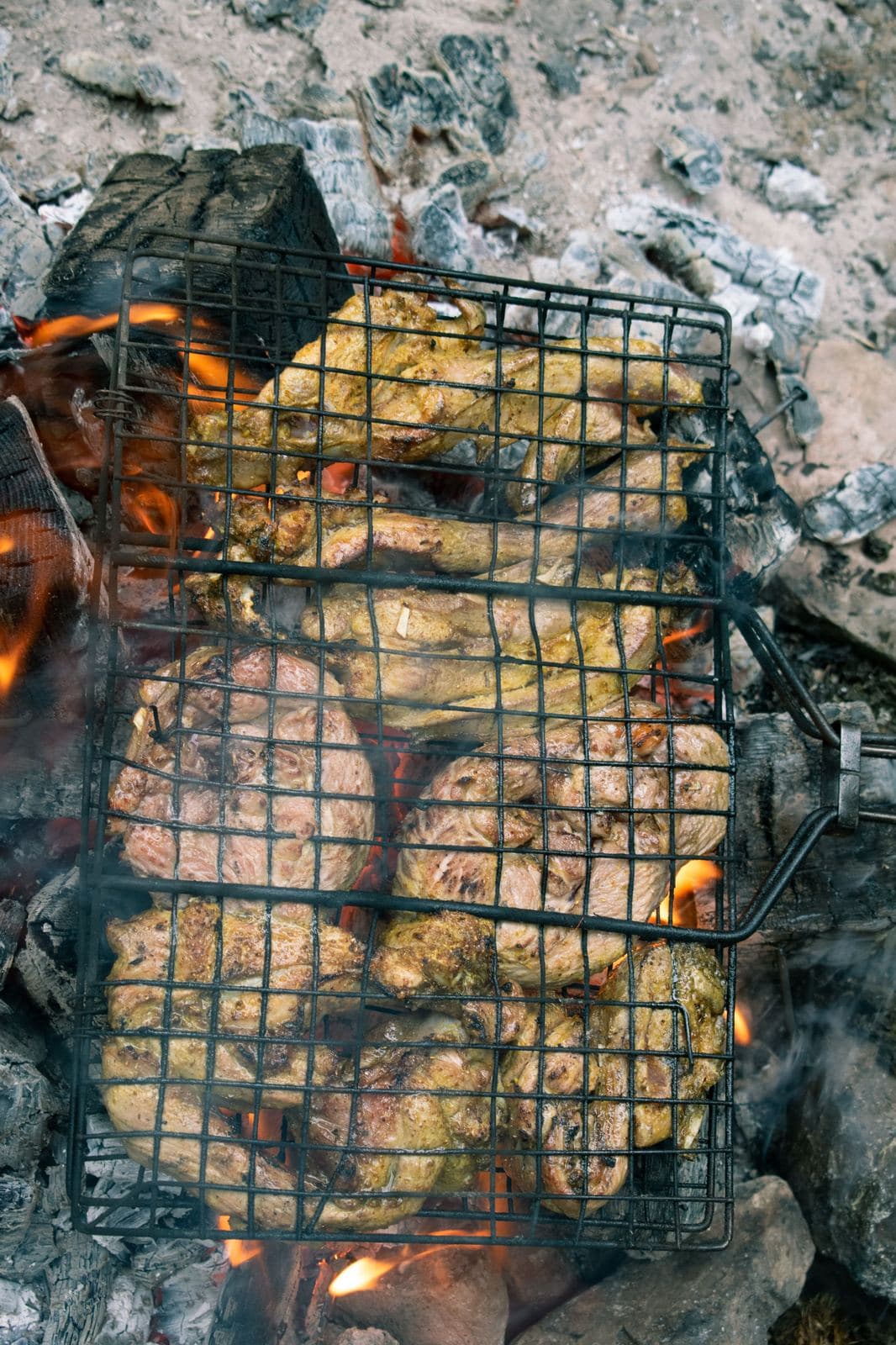
How to Cook Over an Open Fire
Building the right fire, timing your marinade and checking doneness without a kitchen.
· 5 min read
 Guides
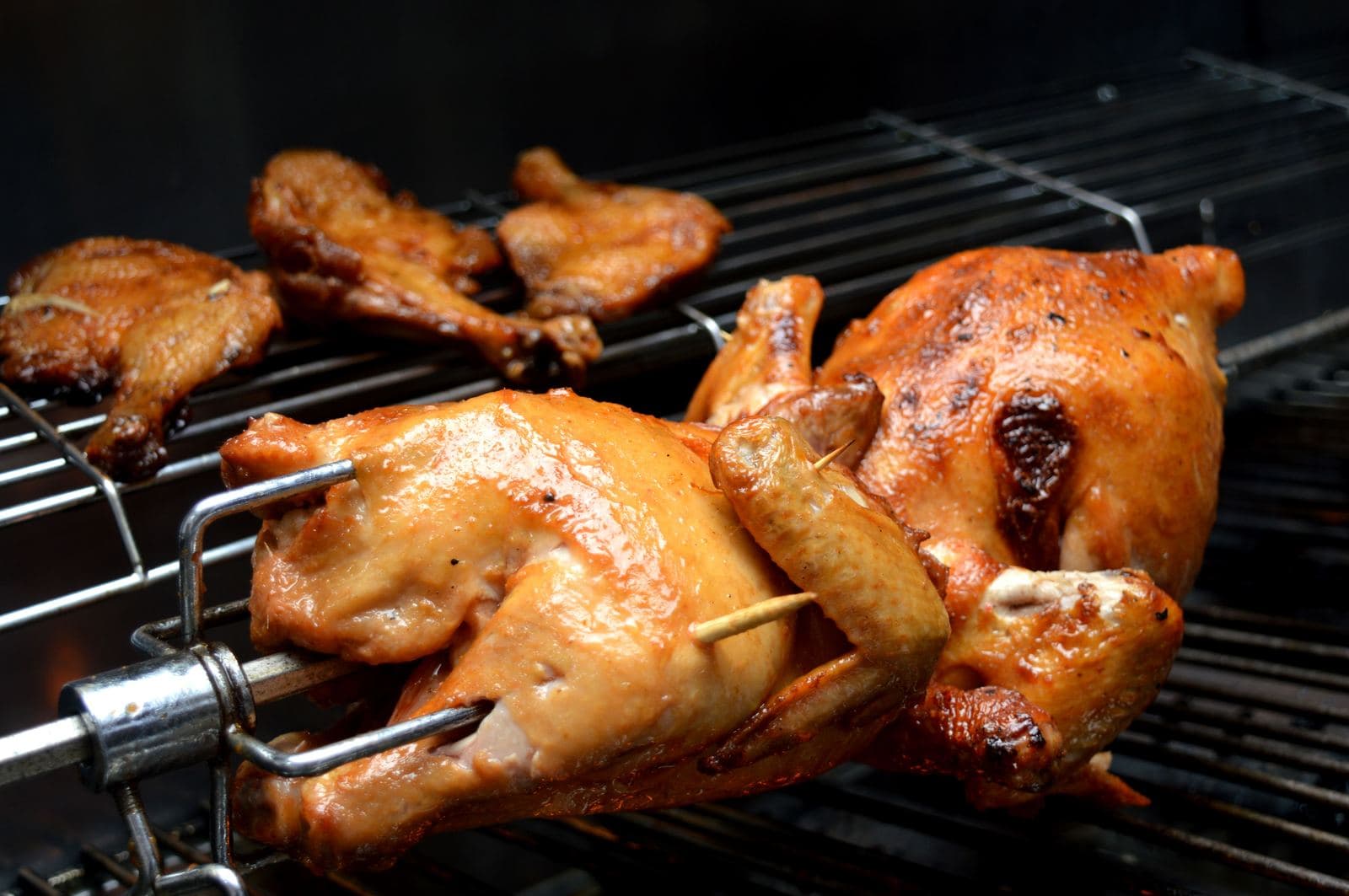
A Guide to Roasting a Whole Chicken
Getting a whole chicken juicy from breast to thigh, with three different methods.
· 4 min read