Cooking Tips
How to Cook Over an Open Fire
A practical guide to cooking meat over a campfire or buried in hot coals: building the right fire, timing the marinade, and knowing when the meat is done.
By Steak House Diaries Editorial Desk | Published | Updated | 5 min read
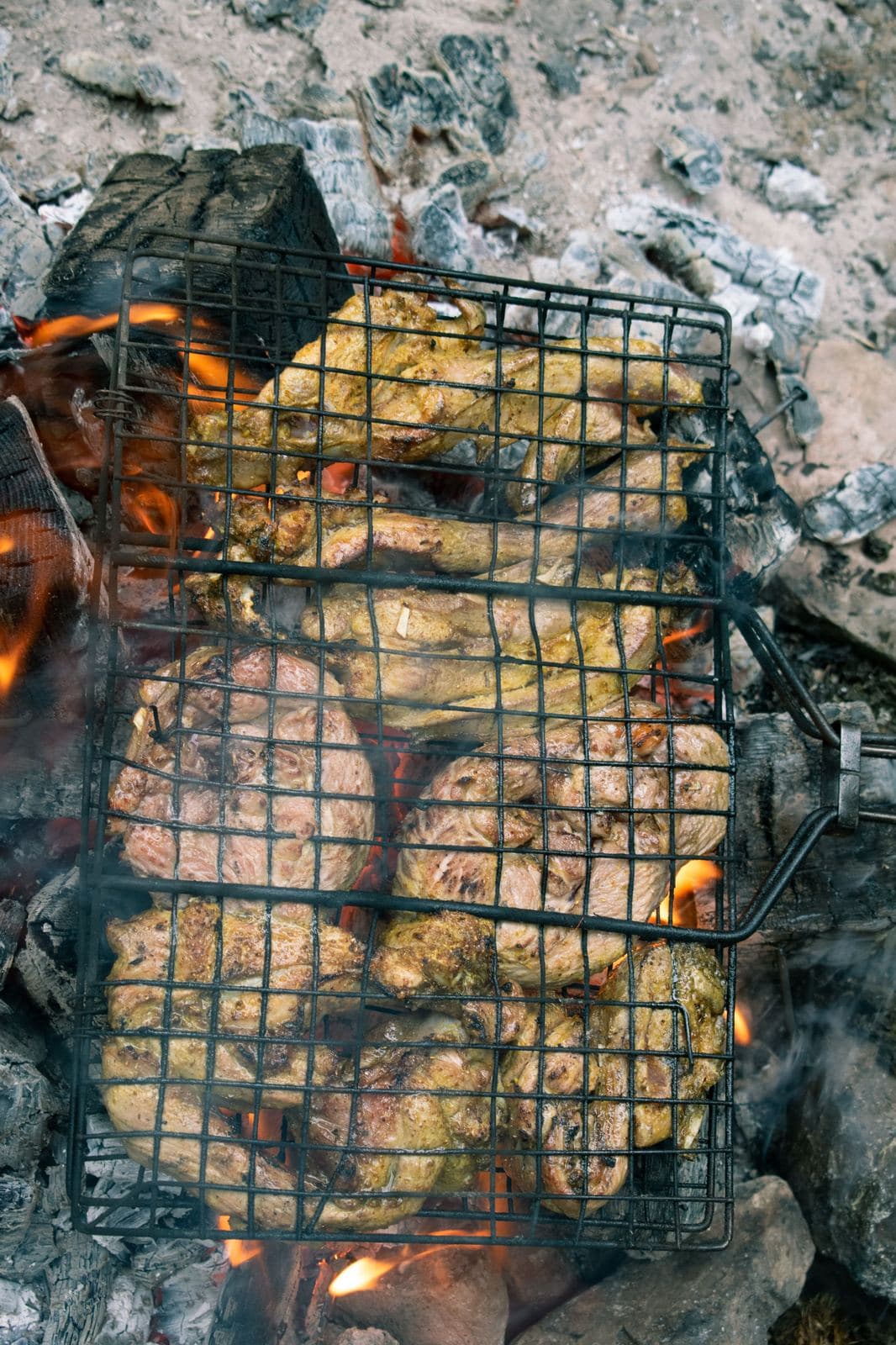
Cooking over an open flame or buried in coals rewards patience more than any single technique. The fire has to be right before the meat goes anywhere near it, and the marinade needs time to do its job. Here's how we approach both, using our campfire and coal recipes as the examples.
Build the right fire first
A roaring flame is the wrong fire for most outdoor cooking. What you actually want is a steady bed of glowing coals with the active flame mostly settled, which gives even, controllable heat instead of scorched edges and a raw center.
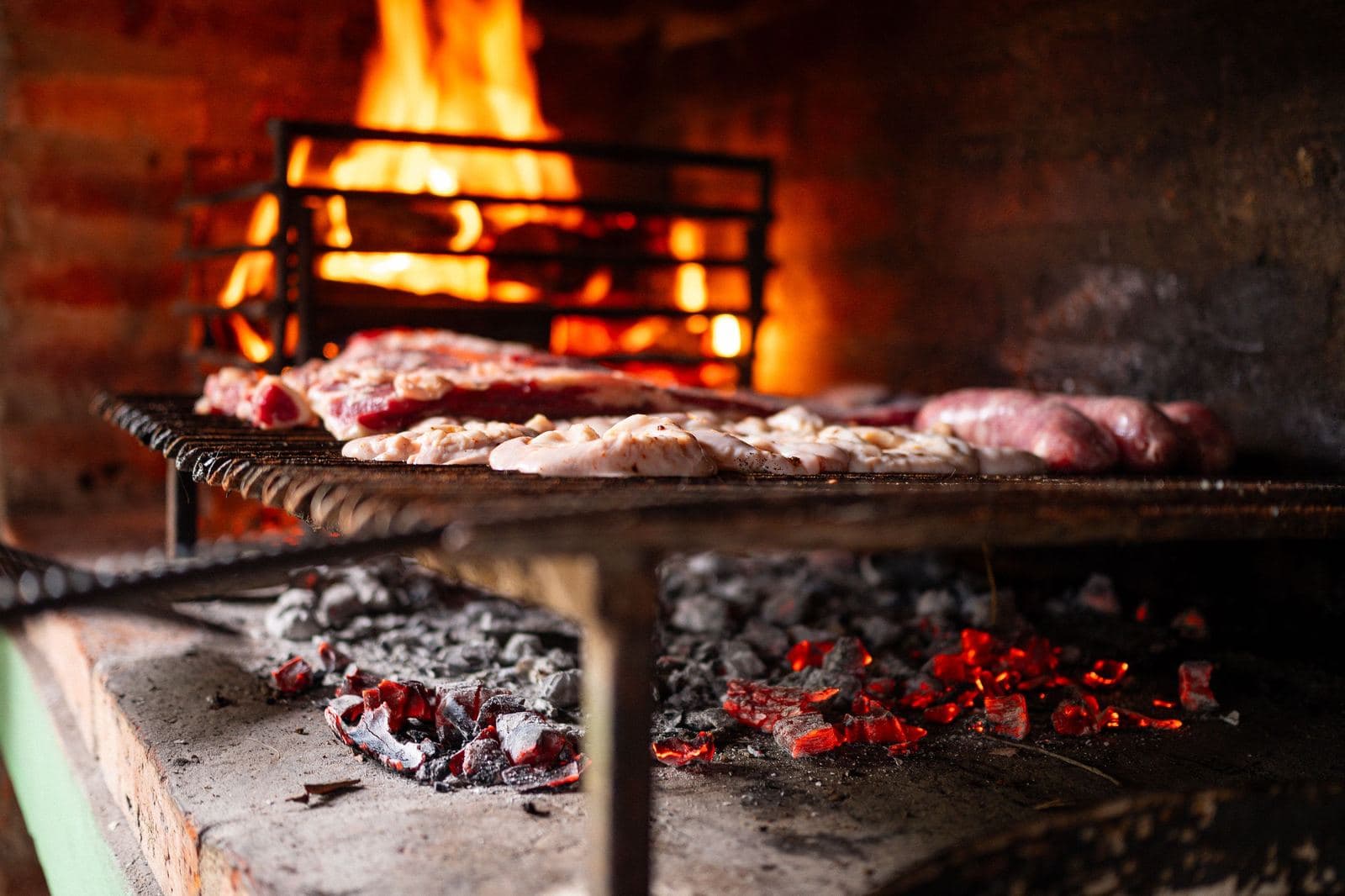
Let a wood fire burn down for 20 to 30 minutes before cooking. You'll know it's ready when the coals glow orange-red and are covered in a thin layer of gray ash.
Try the recipe: American-Style Mountain Goat Steak
Marinate on a schedule, not a guess
Thin cuts and steaks need less time, generally 30 to 60 minutes, since the marinade only has to reach a shallow depth. Thicker cuts and whole legs benefit from an hour or more, sometimes overnight in the refrigerator, so the flavor gets past the surface.
Scoring the meat with shallow cuts before marinating matters more than marinating longer; the cuts give the marinade a path inward that time alone can't make up for.
Try the recipes: Jungle Fire-Grilled Mutton Steaks, Juicy Herb-Marinated Bone-In Mutton Steak
Direct heat versus buried coals
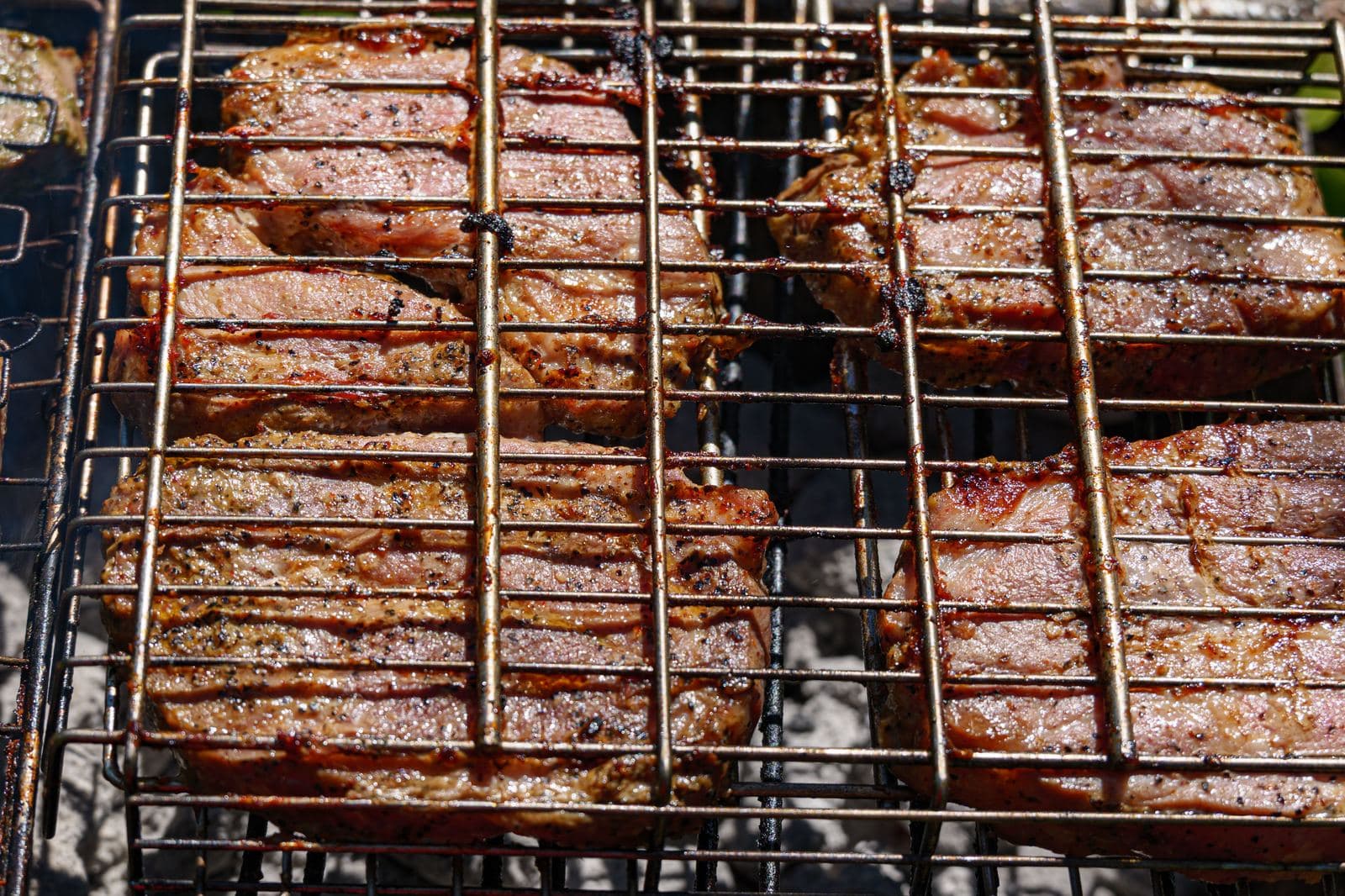
Steaks and smaller cuts do best directly over the grill, close enough to sear and build a crust, turned once the first side has browned.
Larger cuts, like a whole leg, do better wrapped tightly in foil and buried in a bed of hot coals, then covered completely. The coals surround the packet with steady, even heat for a long, slow cook rather than a fast sear.
Try the recipes: Coal-Cooked Mutton, Buried Coal Mutton Leg
Check doneness properly
Color alone is not a reliable way to judge doneness over an open fire, since the outside chars long before the inside is safely cooked. Use an instant-read thermometer where you can, or check that a fork slides in and the meat pulls apart easily for slow-cooked cuts.
Whole cuts of goat, lamb and mutton are safe at a minimum internal temperature of 145°F (63°C), followed by a 3-minute rest.
Setting up heat zones on a single fire
One fire can do two jobs if you build it with zones instead of one even bed of heat. When your coals are ready, push most of them to one side of the fire pit so you have a hot side and a cooler side, with the grate sitting over both. The hot side is for searing steaks and small cuts, where you want a fast crust. The cooler side is for finishing: move a steak there once it has browned, and it keeps cooking gently without scorching. This matters most with goat and mutton steaks, which are leaner than beef and dry out fast if they stay over fierce heat. A second trick is grate height. If your setup lets you raise or lower the grate, use it. A grate sitting close to the coals is for searing; raised a few inches, the same fire becomes a finishing zone. When the fire starts to fade during a long cook, add a few pieces of dry hardwood to the hot side and give them time to catch and burn down before you move food back over them. Fresh wood flares and smokes, so never cook directly over newly added logs. On a windy day, set your seating and your grate so the wind blows across the fire rather than straight into it, and keep a simple windbreak of stones or a board on the windward side. Wind is the most common reason a fire that looked ready suddenly runs too hot on one side and cold on the other, and a windbreak costs nothing.
When the fire misbehaves
Most open-fire problems have a calm fix, and the worst move is usually to rush. Flare-ups happen when fat drips onto the coals. Slide the meat to the cooler zone and wait for the flames to settle instead of spraying water, which throws up ash and steam and can scatter hot embers. If the fire is smoking heavily, the wood is probably still too green or damp. Let it burn longer before cooking, and keep a small pile of dry hardwood ready so you are not feeding the fire with whatever is nearest. If the coals are dying halfway through, do not pour on lighter fluid or any accelerant while food is anywhere near the fire. Add dry wood, fan gently, and give the fire ten minutes to recover. A fire that looks dead often just needs air and time. Ash can also choke a fire. If the coals are gray and sluggish, knock the ash off gently with a poker or a long stick so air can reach the glowing centers. And if a foil packet starts to leak or tear, lift it off with two sturdy tools rather than one hand, set it on a board, and rewrap it in a fresh sheet of foil before it goes back. A torn packet loses its juices fast, and that is the difference between a tender buried cut and a dry one. Keep a spare sheet of foil and a second pair of tongs within reach before you start, so a torn packet costs you a minute rather than the whole cook.
Frequently asked questions
Do I need special equipment to cook over a campfire?
A flat, food-safe stone or a cast-iron surface, sturdy tongs and heavy-duty foil cover most of what these recipes need. A metal grill grate is useful for direct grilling over coals.
How do I know when coals are hot enough to bury a foil packet?
The coals should glow steadily and be mostly covered in gray ash, not actively flaming. Active flame chars the outside of the packet before the inside cooks.
Can I cook over a fire in a backyard fire pit?
Yes, as long as fires are allowed where you live and you follow any local rules. The same coal-bed rules apply: burn wood down to glowing coals covered in gray ash, use a stable grate, and keep the fire attended at all times.
How do I keep a foil packet from tearing under the coals?
Use heavy-duty foil and wrap twice, with the seams folded upward so they do not sit against the hottest coals. Lift the packet with two tools, never by one corner, and set it on a board before opening it.
Related recipes
 Mutton & Goat
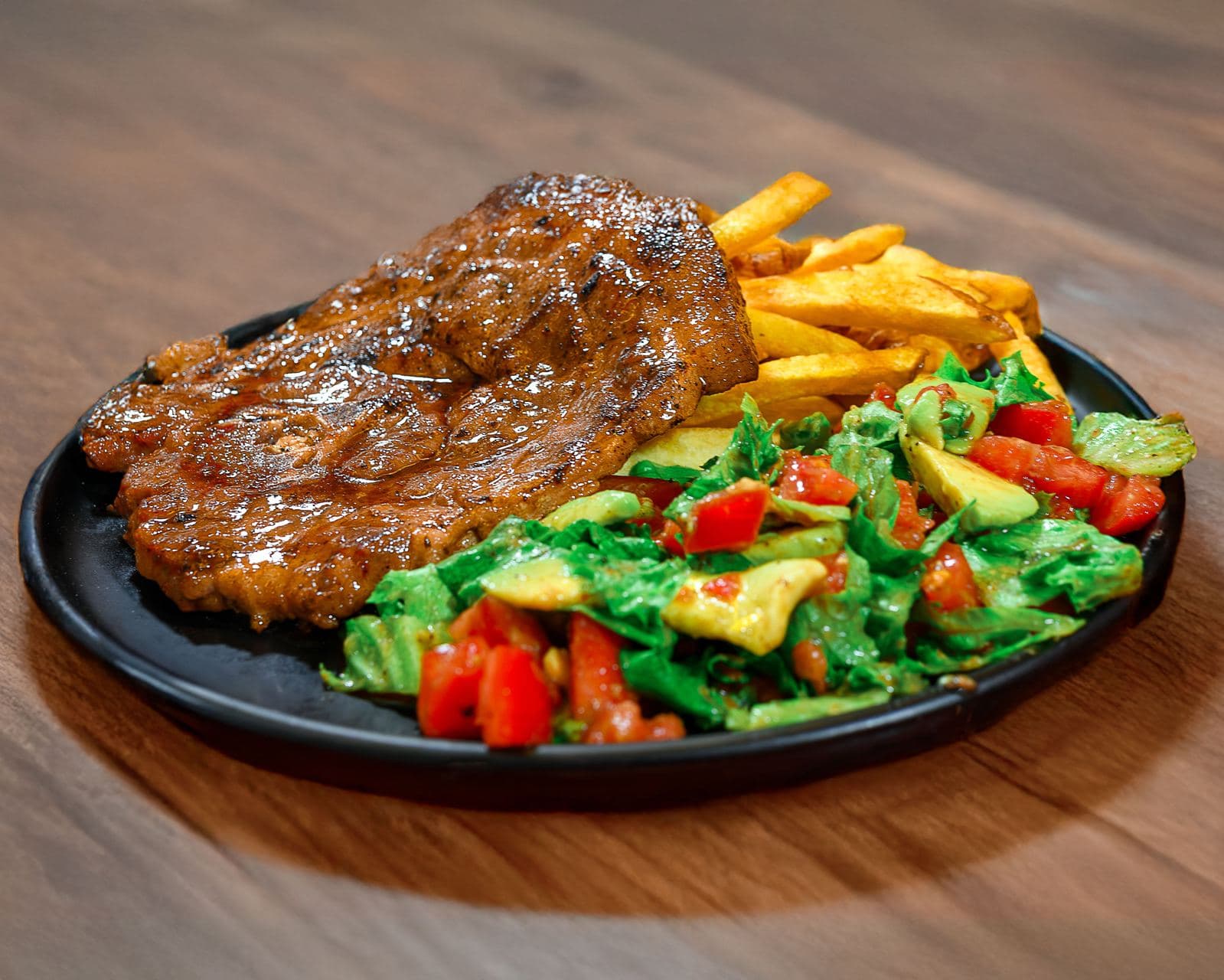
American-Style Mountain Goat Steak
A thick goat steak rubbed with garlic, paprika and herbs, then seared over a wood campfire on a hot flat stone until deeply browned and tender.
- Prep
- 15 min
- Cook
- 15 min
- Level
- Medium
 Mutton & Goat
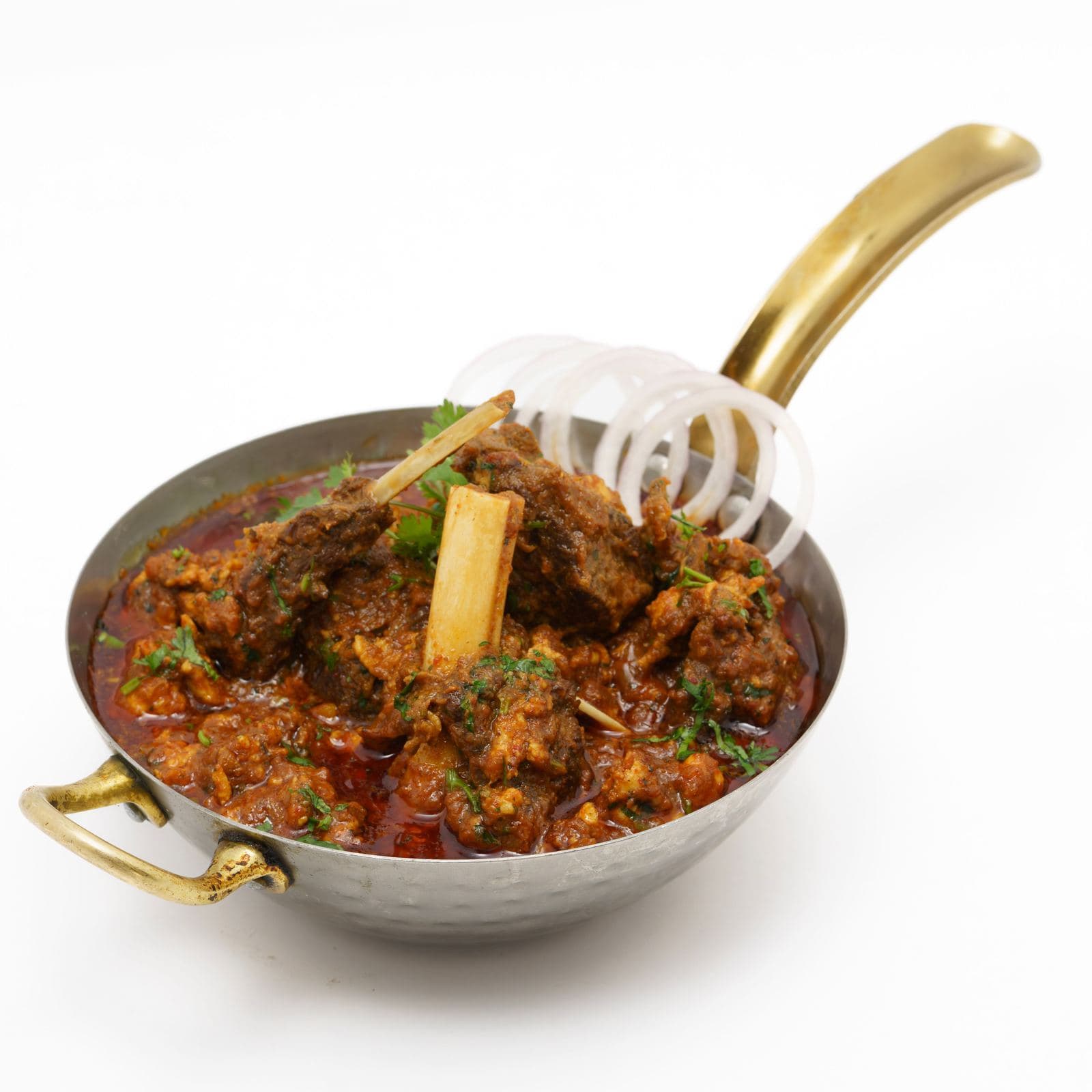
Coal-Cooked Mutton
Mutton fried until browned, then wrapped in foil with whole garlic, ginger, tomatoes, onions and green chilies and buried in hot coals until fully tender.
- Prep
- 20 min
- Cook
- 1 hr
- Level
- Medium
 Mutton & Goat
Buried Coal Mutton Leg
A whole mutton leg marinated with ginger-garlic, garam masala and butter, wrapped in foil with onions and tomatoes, and slow-cooked buried in a bed of hot charcoal.
- Prep
- 25 min
- Cook
- 2 hr 30 min
- Level
- Advanced
 Mutton & Goat
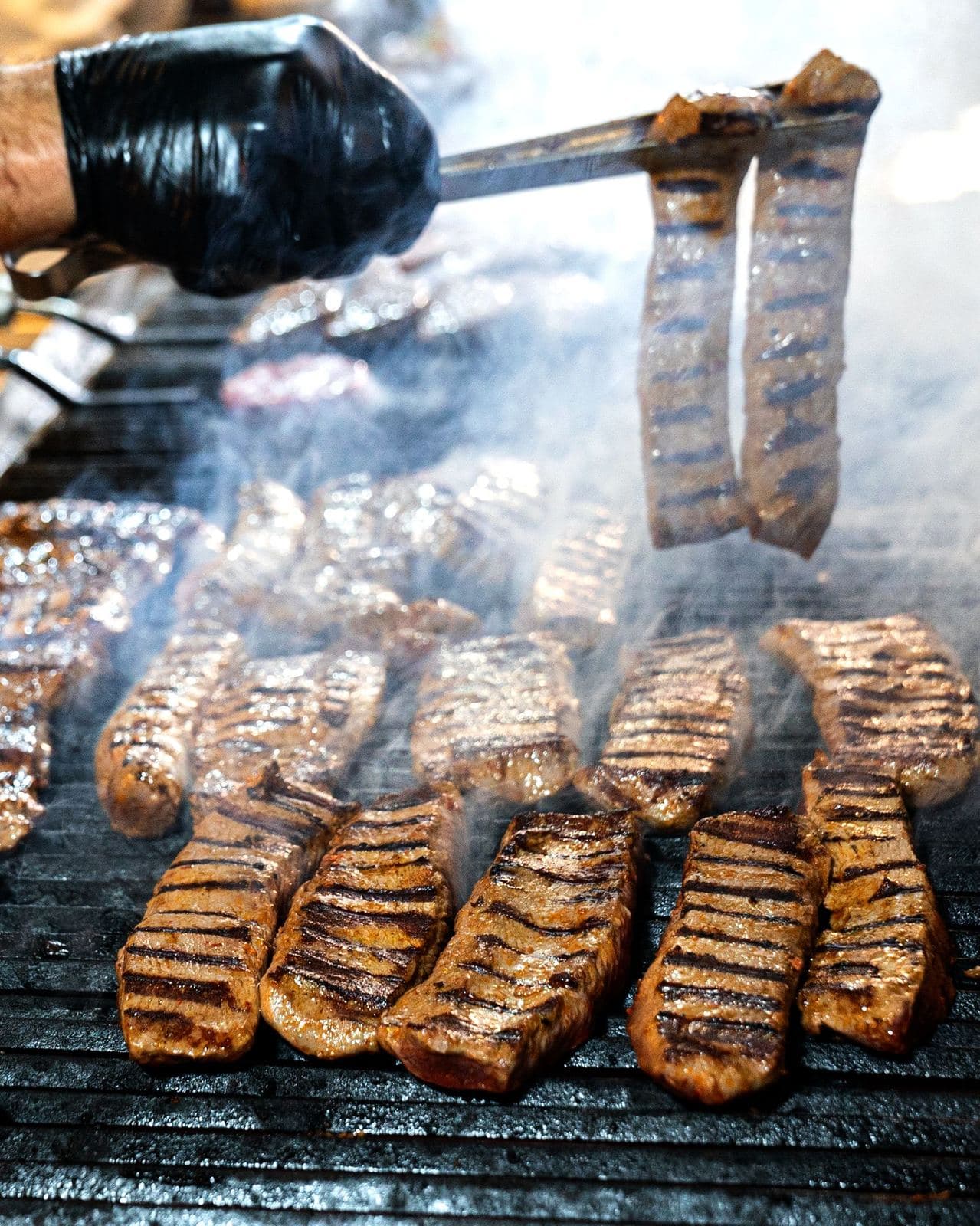
Jungle Fire-Grilled Mutton Steaks
Boneless mutton steaks marinated in ginger-garlic, crushed coriander and lemon juice, then grilled over steady wood coals until browned and tender.
- Prep
- 15 min
- Cook
- 20 min
- Level
- Medium
Related articles
 Guides
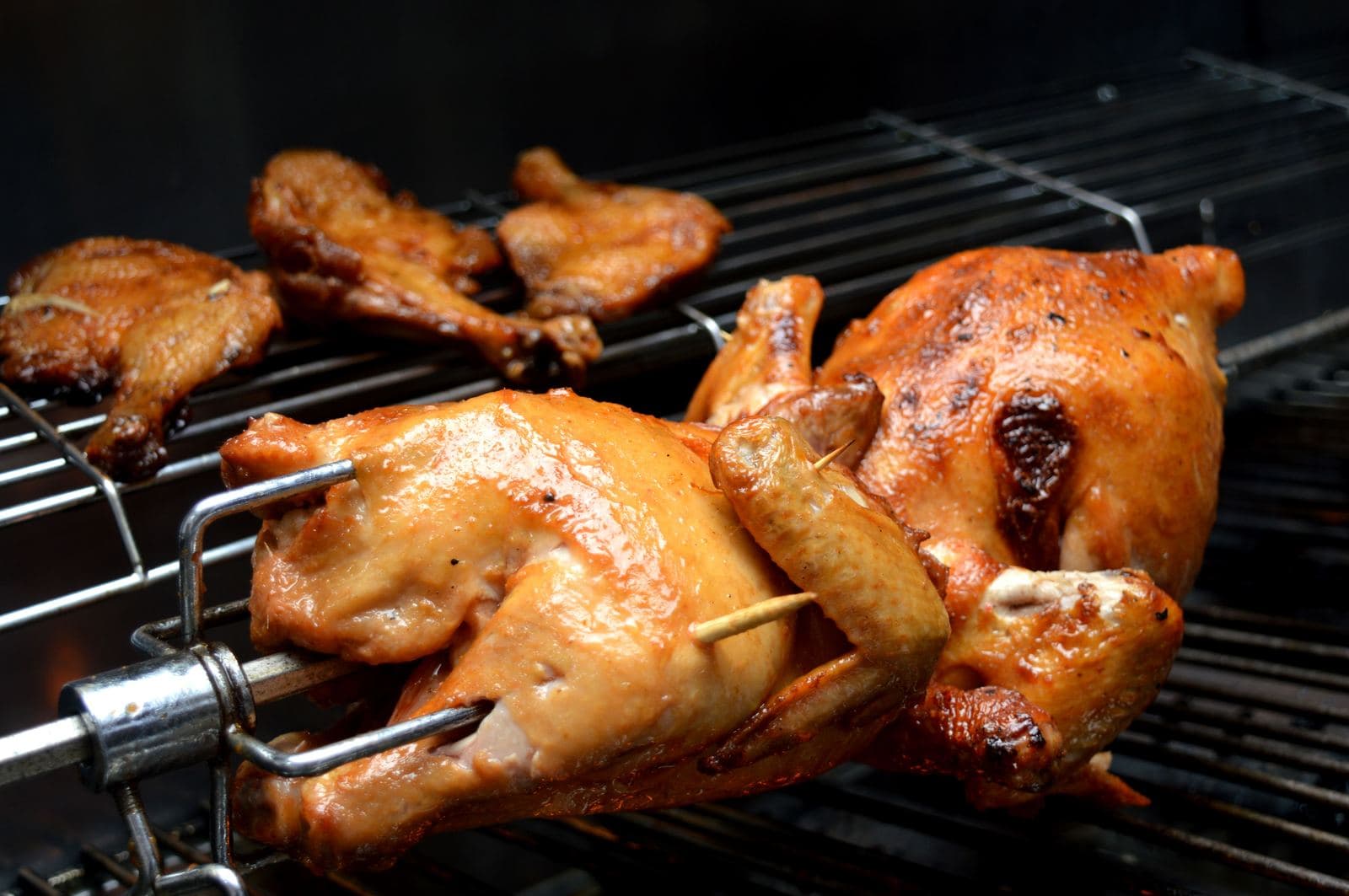
A Guide to Roasting a Whole Chicken
Getting a whole chicken juicy from breast to thigh, with three different methods.
· 4 min read
 Cooking Tips
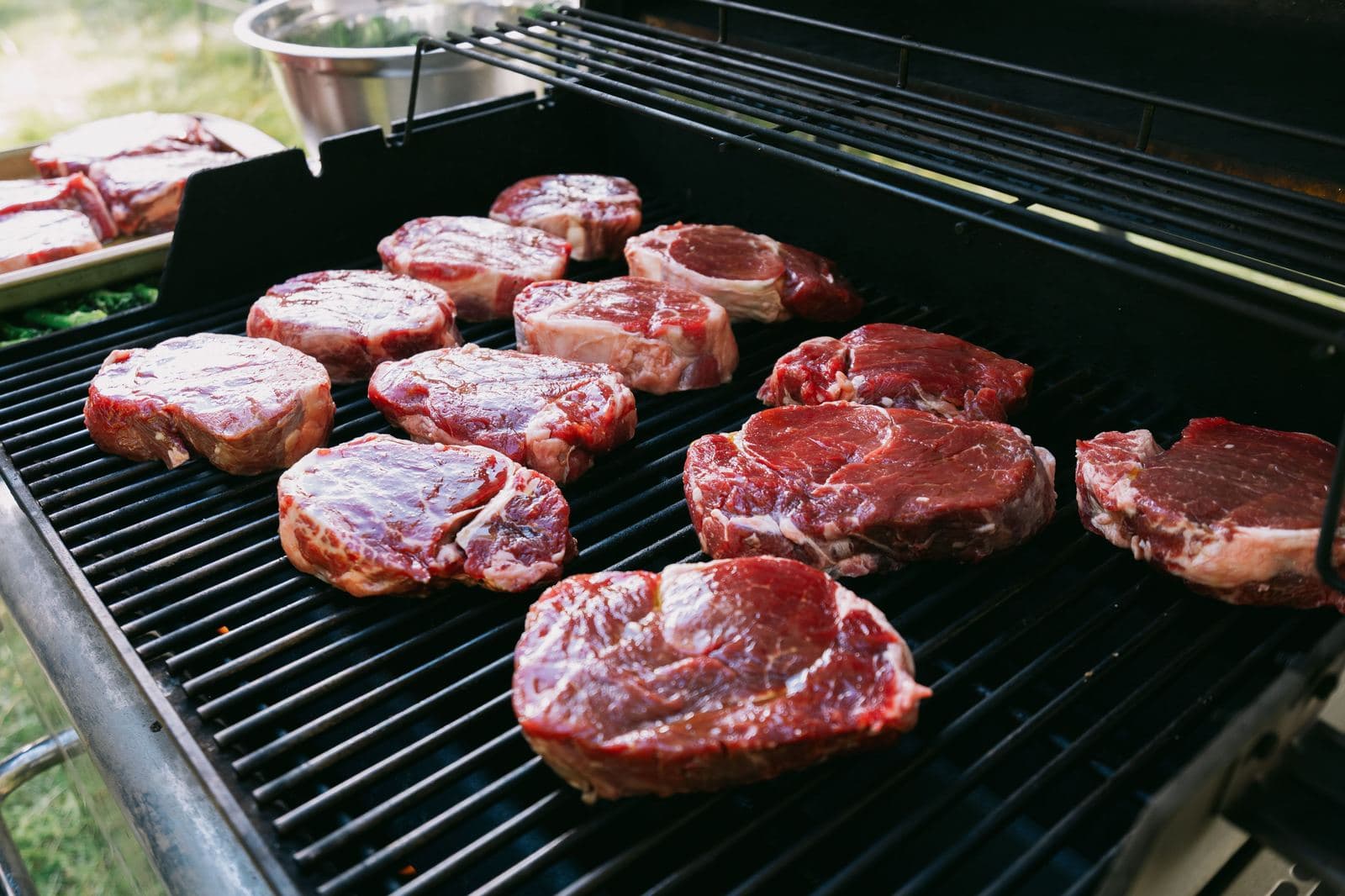
How to Marinate and Grill the Perfect Steak
Scoring, marinating and grilling goat and mutton steaks so they turn out tender.
· 4 min read
- Guides
Under-Grill Mats: How to Protect Your Deck and Patio
Keep grease, embers and heat off your deck with the right mat under your grill.
· 4 min read
 Guides
Griddle Accessories Kit: Everything You Need for Flat-Top Grilling
Spatulas, covers, a press and egg rings — the full kit for flat-top griddle cooking.
· 3 min read
- Guides
Charcoal Grill with Side Tables: What to Look For
343 sq. in. of cooking space, two side tables and a smoker mode — what to check before you buy.
· 3 min read
 Guides
Instant-Read Meat Thermometer: Why 2 Seconds Matters
2–3 second readouts, ±0.5°F accuracy and a display that rotates — what to check before you buy.
· 3 min read