Guides
A Guide to Roasting a Whole Chicken
How to get a whole chicken juicy from breast to thigh, whether you're roasting it straight, boiling it first for broth, or stuffing herbs and cheese under the skin.
By Steak House Diaries Editorial Desk | Published | Updated | 4 min read
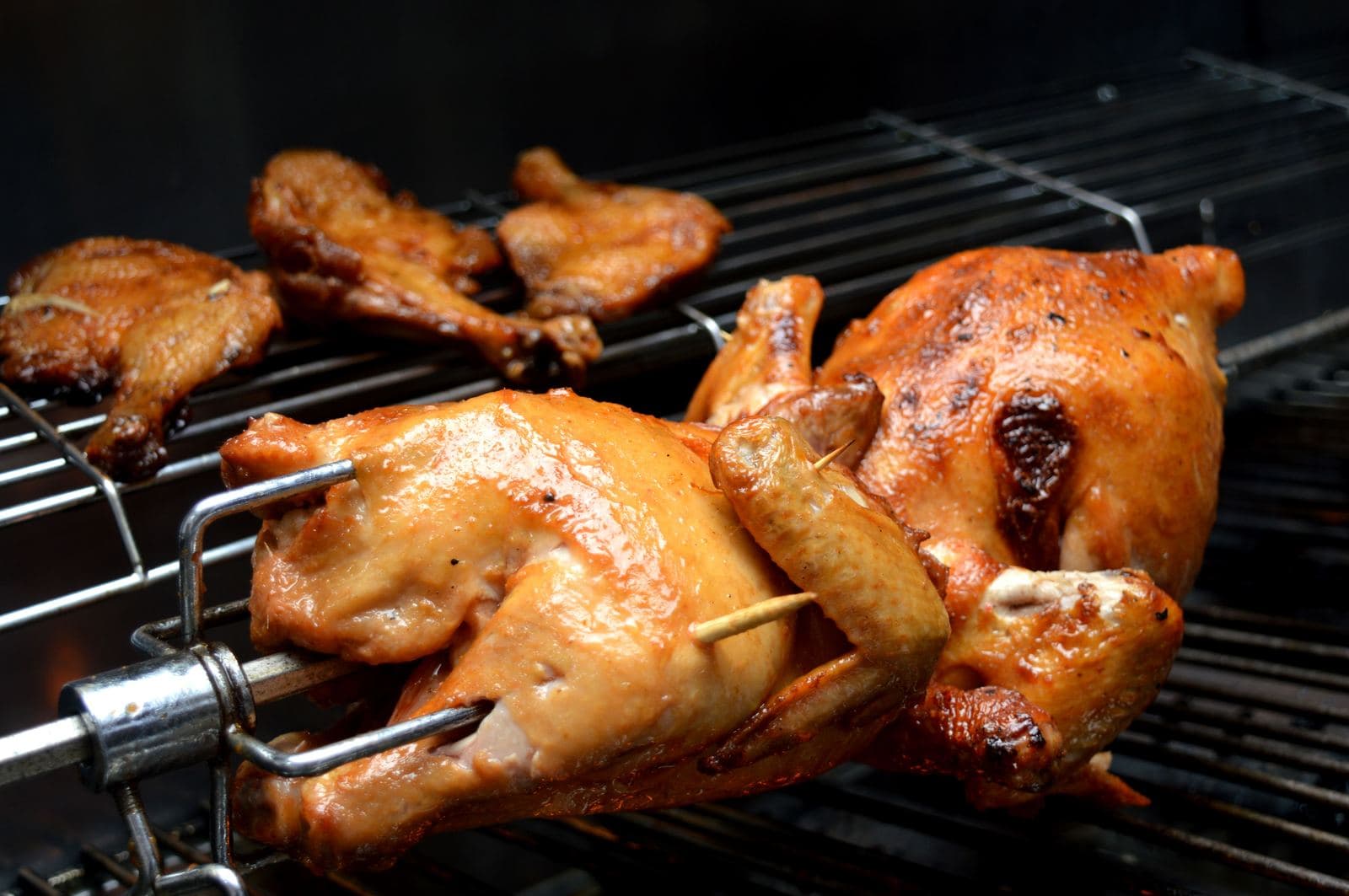
A whole chicken is unforgiving in one specific way: the breast and the thigh finish cooking at different rates, so a bird that's perfect at the leg is often dry at the breast, and vice versa. These three approaches solve that problem in different ways.
Marinate deeply, not just on the surface
A marinade brushed only on the skin barely reaches the meat underneath. Make several deep cuts across the breast and legs before marinating, and where you can, work seasoning under the skin directly against the meat.
A two-stage marinade, once whole and once after cutting, gets noticeably more flavor into the meat than a single application, especially for a bird you're roasting for 60 minutes or more.
Try the recipes: Juicy Oven-Roasted Chicken, Cheesy Herb Roasted Chicken with Orange Pomegranate Juice
The boil-then-roast method
Boiling a whole chicken first, then roasting it, does two things at once: it gently pre-cooks the bird so the roasting stage only has to brown and finish it, and it produces a flavorful broth you can serve alongside the meal.
Strain the broth as soon as the chicken comes out of the pot, and season it separately, it reduces and concentrates in flavor as you reheat it right before serving.
Try the recipe: Chicken Yakhni Roast
Straight roasting, done right
For a chicken you're roasting from raw, preheat the oven fully before the bird goes in, and pat the skin very dry beforehand, moisture on the skin steams instead of crisps.
Roast at 375°F to 400°F (190°C to 200°C) and use a thermometer in the thickest part of the thigh, away from the bone, as your only real signal for doneness: 165°F (74°C).
Resting matters as much as roasting
Let a roasted whole chicken rest for 10 to 15 minutes before carving. The juices that pooled toward the center during roasting redistribute through the meat as it rests, which is the difference between a dry cut and a juicy one.
Picking the bird and the pan
The bird you buy shapes the whole cook. A chicken around 3½ to 4½ pounds roasts more evenly than a very large one, because the breast does not have to wait as long for the thighs to catch up. If the chicken is frozen, thaw it fully in the refrigerator before roasting, allowing roughly a full day for a bird this size, and never roast a bird that is still icy in the center. The outside will overcook while the middle lags behind, and that is a food-safety problem as well as a texture problem. The pan matters too. A roasting pan with a rack lifts the bird out of its own juices, so hot air reaches the underside and the skin crisps all the way around. Without a rack, the bottom of the bird sits in liquid and steams instead of browning. If you have no rack, a bed of thickly sliced onions, carrots and celery does the same job and comes out of the oven tasting wonderful. Give the bird room: a pan that fits snugly is fine, but a bird crammed against the sides of a small pan will steam at the edges. Leave space for the heat to move, and do not cover the bird with foil for the whole cook, or the skin will never crisp. If the breast starts browning too fast near the end, a loose tent of foil over just the breast for the last stretch is enough.
Carving, pan juices, and leftovers
Carving order makes a visible difference. Start with the legs: cut through the joint where each leg meets the body, then separate the drumstick from the thigh. Next, slice the breast meat in even pieces, cutting along the breastbone and then across the grain. Carving on a board with a groove, or over the roasting pan, catches the juices instead of losing them across the counter. Those pan juices are worth keeping. Pour them into a small jug, skim off the clear fat that rises to the top, and spoon the remaining juices over the carved meat. If you want a quick sauce, set the roasting pan over low heat, splash in a little water or stock, and scrape up the browned bits from the bottom while it simmers for a minute or two. Leftovers need the same care as the roast. Get the carved meat into the refrigerator within two hours of cooking, in shallow covered containers, and eat it within three to four days. When you reheat chicken, heat it until it steams all the way through and reaches 165°F (74°C) again. Cold roast chicken is also excellent sliced for sandwiches, but slice it only when you need it; a whole leftover bird kept in one piece stays juicier in the fridge than meat that was carved and stored loose. One more habit worth keeping: save the carcass and any leftover bones for stock. Simmered gently with water and whatever vegetables you have, they make a rich broth for soup, and nothing from the bird goes to waste.
Frequently asked questions
What's the safe internal temperature for chicken?
165°F (74°C) in the thickest part of the breast and thigh, measured with an instant-read thermometer, per USDA guidance.
Should I truss the chicken?
Trussing helps the bird cook more evenly by keeping the legs close to the body, but it's not required for any of these recipes; a loosely tied or untrussed chicken will still cook safely, just with slightly more variation between white and dark meat.
Can I roast a chicken straight from frozen?
No. Thaw it fully in the refrigerator first. A partly frozen bird cooks unevenly, so the outside can overcook while the center stays undercooked, which is unsafe.
What should I do with the pan juices?
Skim off the fat and spoon the juices over the carved chicken, or simmer them briefly in the roasting pan with a splash of water or stock, scraping up the browned bits, for a quick pan sauce.
Related recipes
 Chicken
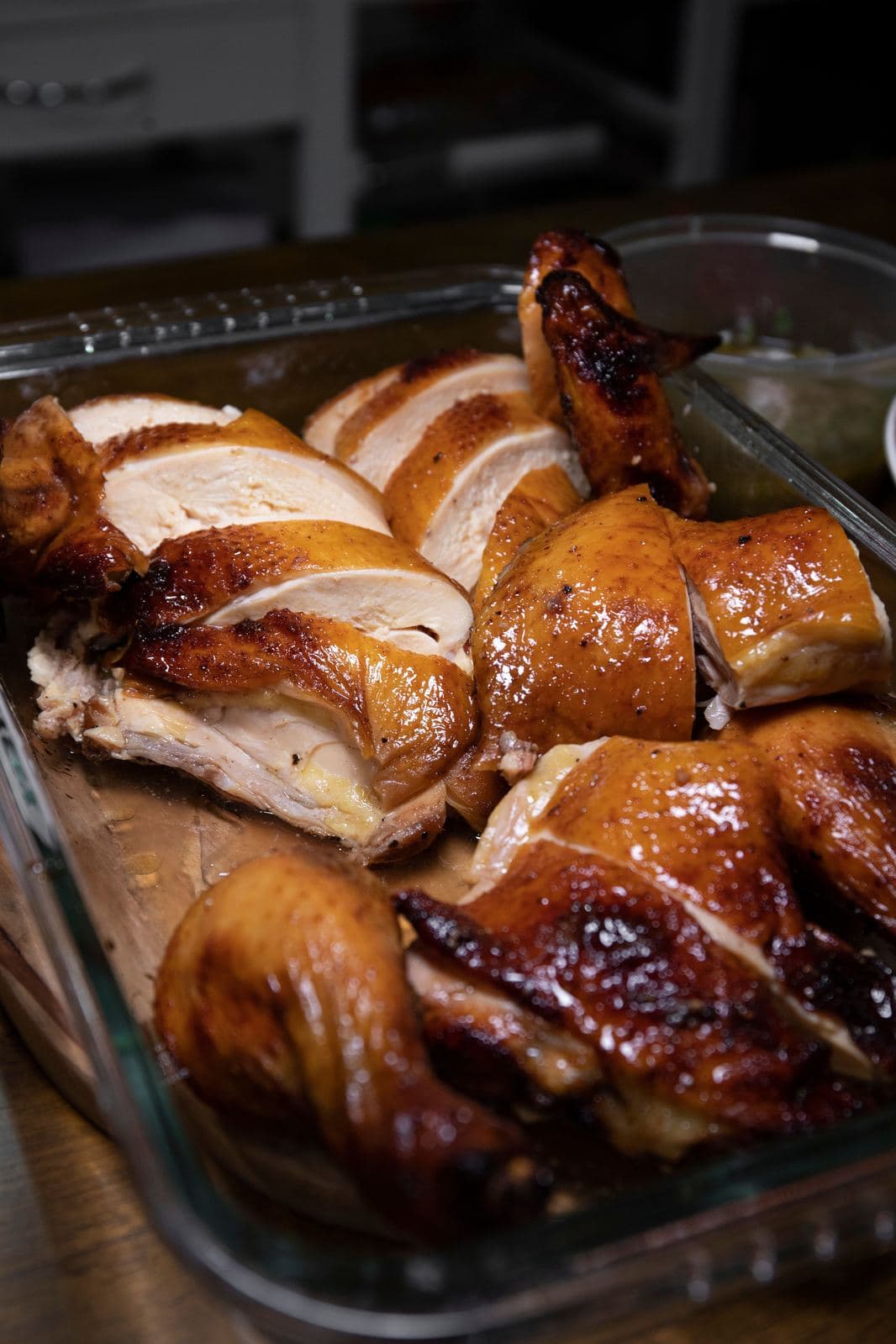
Juicy Oven-Roasted Chicken
A whole chicken double-marinated in a yogurt, soy and chili-sauce blend, then roasted until golden and crispy, with deep cuts that let the marinade reach every part of the bird.
- Prep
- 20 min
- Cook
- 1 hr 15 min
- Level
- Medium
 Chicken
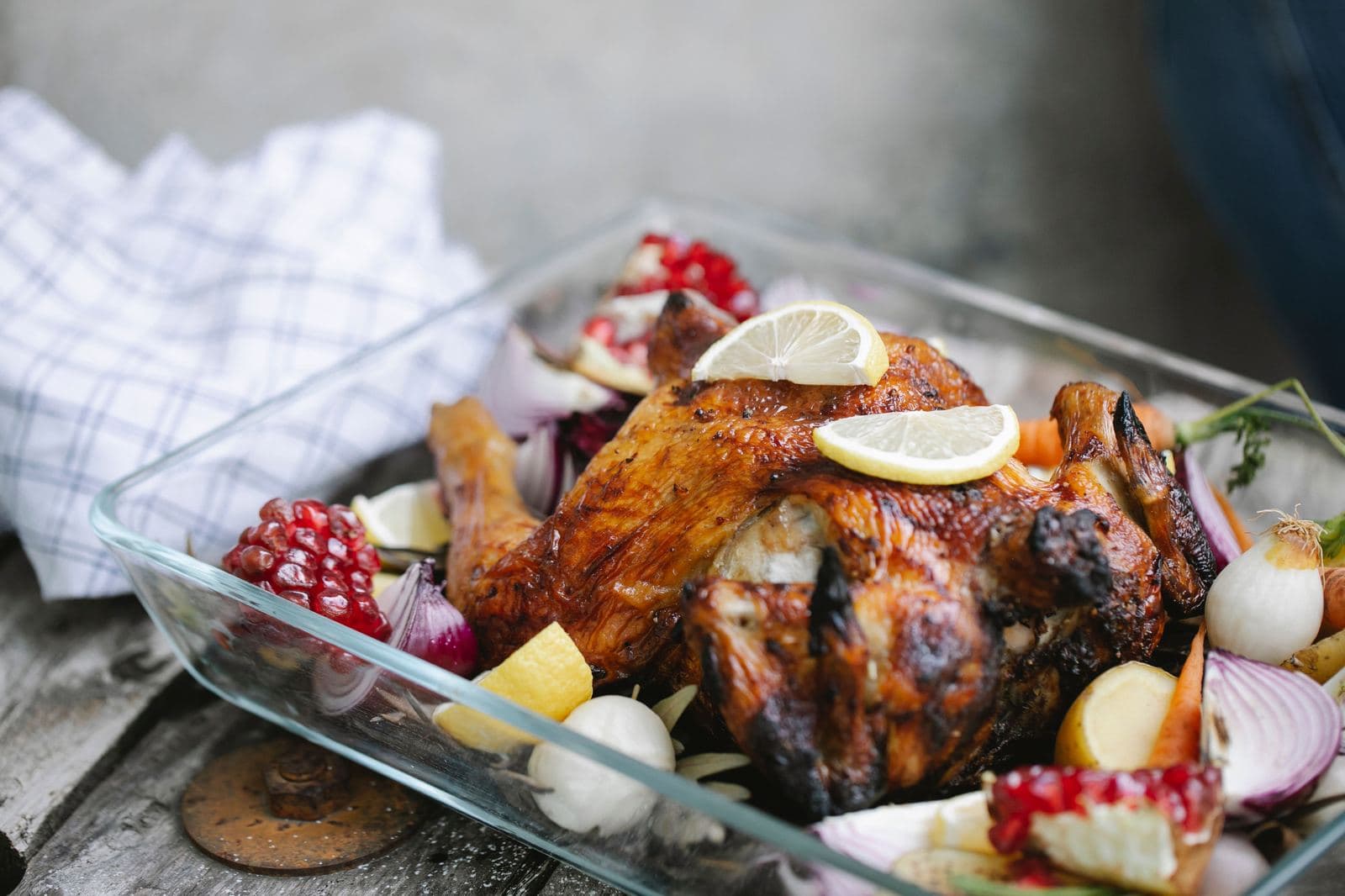
Cheesy Herb Roasted Chicken with Orange Pomegranate Juice
A whole chicken rubbed under the skin with cheese, herbs and ginger-garlic paste, then roasted until golden and served with a fresh orange-pomegranate juice.
- Prep
- 20 min
- Cook
- 1 hr 15 min
- Level
- Medium
 Chicken
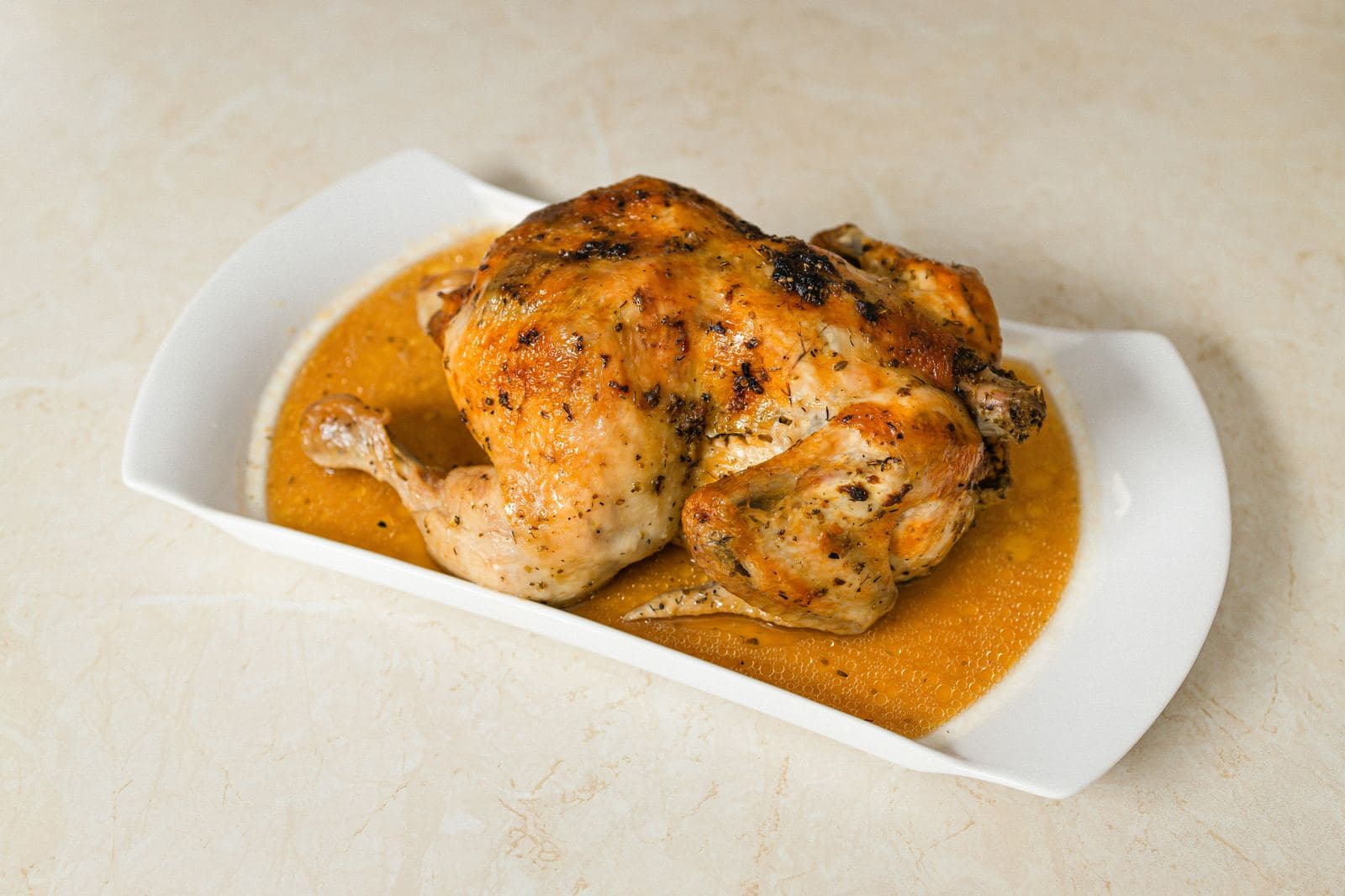
 Yakhni Roast
A whole chicken first boiled to save a flavorful broth, then coated in a yogurt-based marinade and roasted until golden, served with its own peppered broth on the side.
- Prep
- 20 min
- Cook
- 1 hr 15 min
- Level
- Medium
Related articles
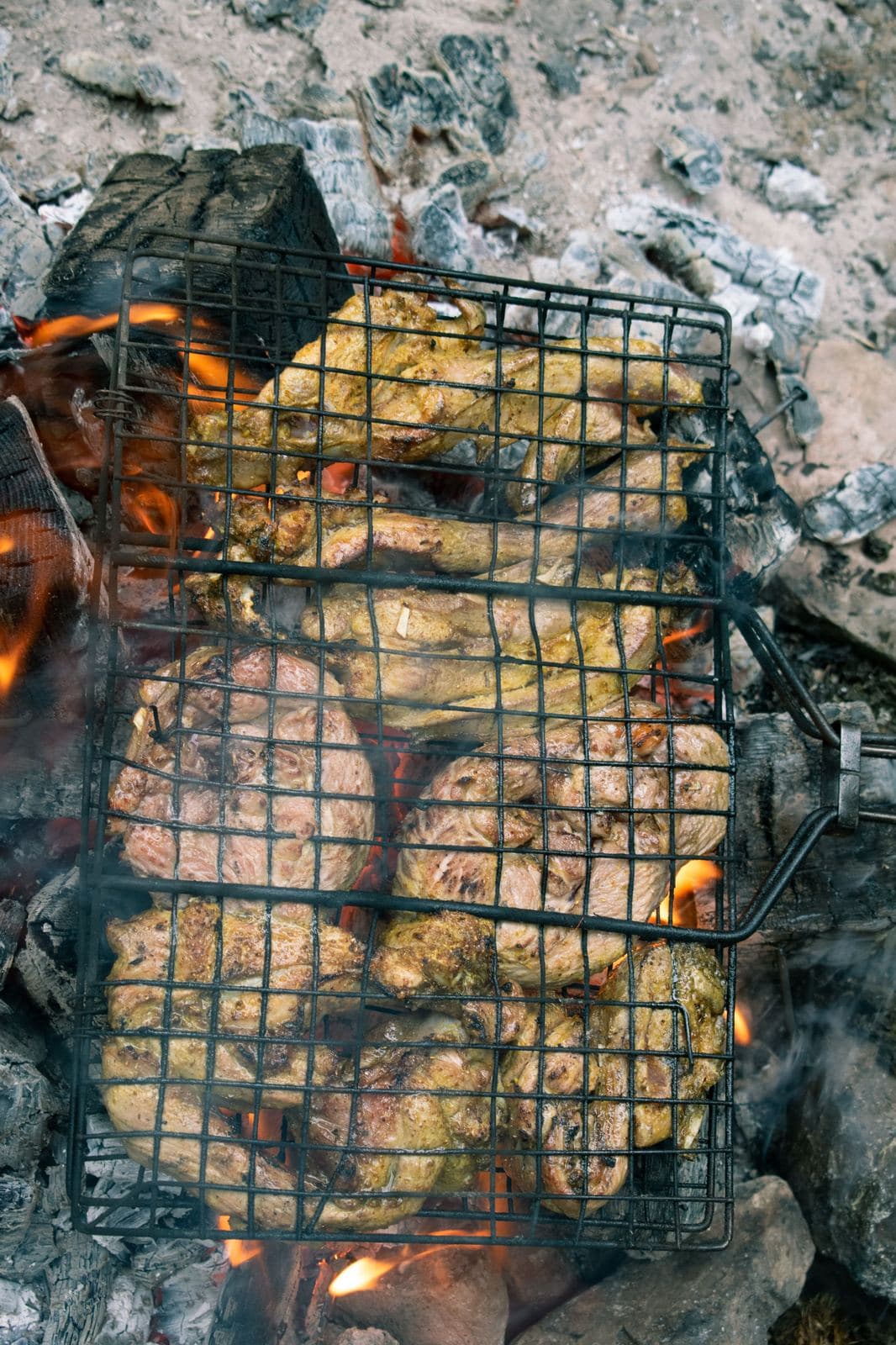 Cooking Tips
How to Cook Over an Open Fire
Building the right fire, timing your marinade and checking doneness without a kitchen.
· 5 min read
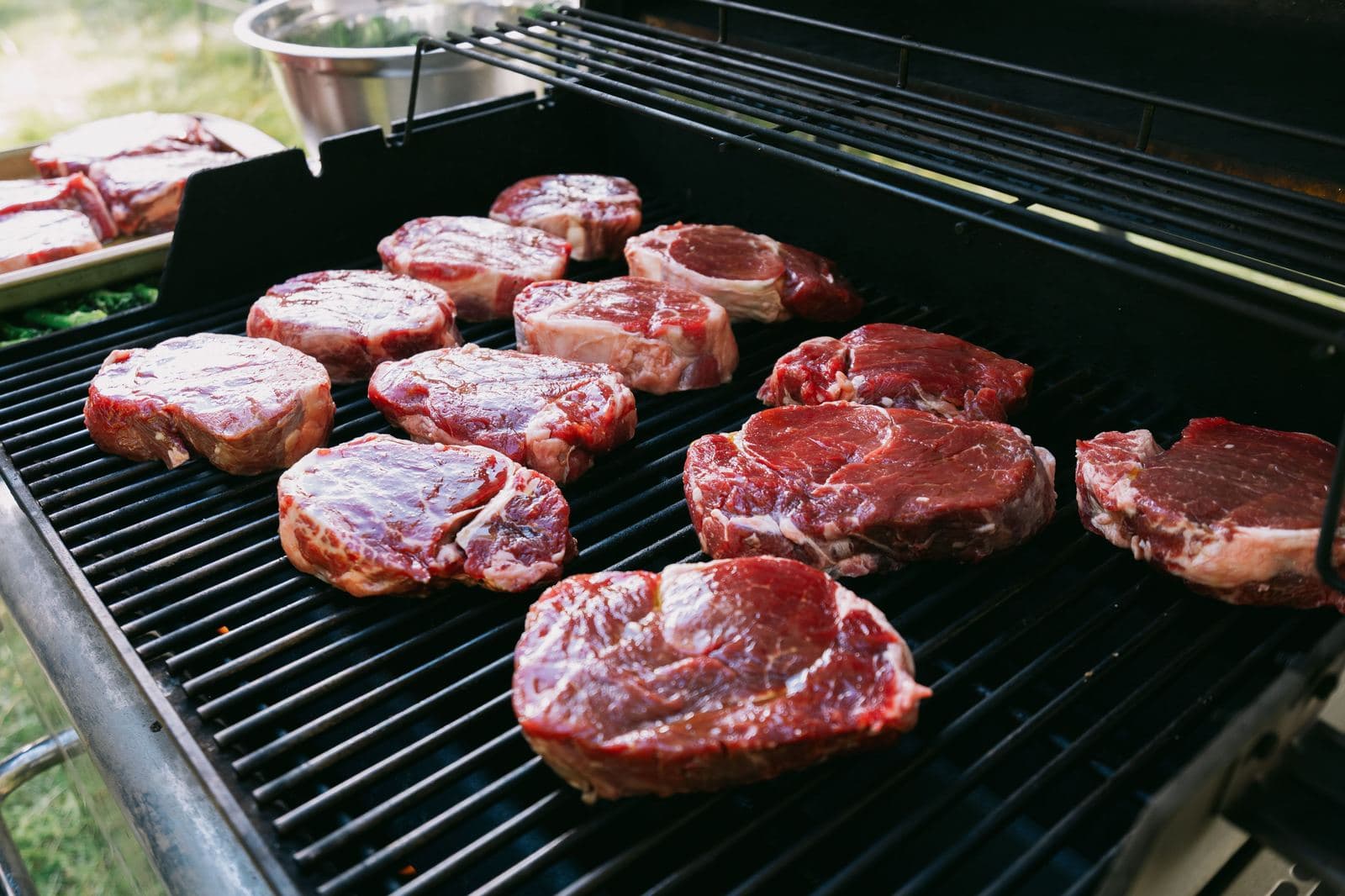 Cooking Tips
How to Marinate and Grill the Perfect Steak
Scoring, marinating and grilling goat and mutton steaks so they turn out tender.
· 4 min read