Smoky Fire Mutton Ribs with an End Glaze
Mutton ribs slow-grilled over real fire with a smoky spice rub and a sticky glaze brushed on at the very end — fall-off-the-bone tender, never dry.
By Steak House Diaries Kitchen Desk | Published | Updated
About this recipe
Mutton ribs reward patience: a smoky dry rub, low coals, and a glaze that only goes on when the meat is already tender. Rush any of the three and they come off tough or burnt — get them right and the meat pulls clean from the bone.
It falls under our Mutton & Goat collection and is tagged mutton, ribs, grilling, smoke. Read the tips and substitutions below the recipe card before you start, and scan the ingredients first so nothing surprises you mid-cook.
Smoky Fire Mutton Ribs with an End Glaze
https://www.steakhousediaries.com/recipes/smoky-fire-mutton-ribs
- Prep
- 20 min
- Cook
- 3 hr
- Total
- 5 hr 20 min
- Servings
- 1.5 kg mutton ribs, serves 4
- Difficulty
- Medium
Ingredients
For the ribs and rub
- 1.5 kg mutton ribs, membrane removed
- 2 tbsp coarse salt
- 1 tbsp cracked black pepper
- 1 tbsp smoked paprika
- 2 tsp garlic powder
- 2 tsp brown sugar
- 1 tsp mustard powder
- wood chunks or a handful of wood chips for smoke
For the end glaze
- 3 tbsp honey
- 2 tbsp tomato paste
- 1 tbsp vinegar
- 1 tsp chili flakes
- pinch of salt
Equipment
- Grill grate over a coal fire
- Tongs
- Pastry brush
- Mixing bowl
- Aluminum foil
Instructions
Step 1: Rub the ribs
Mix salt, pepper, paprika, garlic powder, brown sugar and mustard powder. Coat ribs all sides, cover, rest at least 2 hours (overnight better).
Step 2: Build the fire
Build a low, settled coal fire off to one side (indirect heat). Add a wood chunk for smoke.
Step 3: Cook low and slow
Lay ribs bone-side down on cooler side. Cook low about 2 hours, turning once halfway — meat pulls back from bone ends.
Step 4: Tent loosely
Wrap/tent loosely for last 45-60 minutes so they steam in their own juices.
Step 5: Glaze at the end
Mix glaze and brush on ONLY in last 10 minutes, over direct heat, in two thin coats — earlier and sugar burns black.
Step 6: Rest and serve
Rest 10 minutes, slice between bones, serve with juices.
Step 7: Why ribs need indirect heat, a tent, and a glaze that waits
Mutton ribs punish impatience in three separate ways, and this recipe is designed to remove all three temptations. The first temptation is fierce heat. Ribs are full of connective tissue, and fierce direct heat tightens that tissue before it has time to break down, leaving meat that is charred outside and tough inside. So the recipe builds a low, settled coal fire off to one side and cooks the ribs on the cooler side, bone-side down, for about 2 hours, turning once halfway. Indirect heat is slower, but it is the only heat that gives the tissue time to relax into tenderness. The wood chunk added for smoke works best here too: over low, indirect heat, the smoke has two hours to flavour the meat, while over fierce heat it would simply add bitterness to a burnt surface. The second temptation is skipping the tent. After the long indirect cook, the ribs are wrapped or tented for the last 45 to 60 minutes so they steam in their own juices. That enclosed, moist heat finishes what the dry heat started: it softens the last of the tough tissue and lets the meat pull back from the bone ends, which is the visual cue the recipe gives for tenderness. A rib that still feels tight when bent needs more time tented on the cooler side, not more flame. The rub applied at the start — salt, pepper, smoked paprika, garlic powder, brown sugar and mustard powder, rested at least 2 hours and better overnight — seasons the meat throughout that long cook, and removing the membrane before rubbing, as the ingredients specify, lets the seasoning and smoke reach the meat instead of stopping at a tough skin. The third temptation is glazing early, and it is the one that ruins the most ribs. The glaze — honey, tomato paste, vinegar, chili flakes and salt — is mostly sugar, and sugar over direct heat burns black in minutes. Brushed on only in the last 10 minutes, over direct heat, in two thin coats, it sets into a sticky, glossy finish instead of a burnt crust. Two thin coats matter: the first sets and grips, the second builds shine. Then the ribs rest for 10 minutes before slicing between the bones, so the juices settle back into the meat and the slices serve with the juices rather than losing them to the board.
Cooking tips
- Brush the glaze on only in the last 10 minutes; the honey and sugar burn black if it goes on earlier.
- Keep the ribs on the cooler side of the fire for most of the cook so they turn tender before they char.
- Rest the ribs for 10 minutes before slicing so the juices settle back into the meat.
Storage and reheating
Storage: Refrigerate leftovers in an airtight container for up to 3 days.
Reheating: Reheat gently in a covered pan over low heat with a splash of water, or in a 325°F (163°C) oven until warmed through.
Ingredient substitutions
- Goat ribs work in place of mutton ribs with the same rub, method and timing.
Nutrition information
Approximate values per serving, estimated from typical ingredient data. Results vary with brands and portions; this is not medical or dietary advice.
| Calories | 510 |
|---|---|
| Total fat | 34 g |
| Saturated fat | 12 g |
| Carbohydrates | 9 g |
| Fiber | 1 g |
| Sugar | 7 g |
| Protein | 38 g |
| Sodium | 780 mg |
Frequently asked questions
Why does the glaze go on only at the end?
The honey and sugar burn black over direct heat. Brushed on in the last 10 minutes, in two thin coats, the glaze sets sticky instead of burning.
How do I know the ribs are tender?
The meat pulls back from the bone ends and the ribs bend easily; if they still feel tight, give them more time tented on the cooler side.
Can I skip the overnight rub?
Yes. Rest the rubbed ribs for at least 2 hours; overnight gives deeper seasoning, but do not go shorter than 2 hours.
Why cook the ribs bone-side down on the cooler side?
Bone-side down shields the meat from direct heat while the bones themselves conduct gentle heat into the thickest part. The cooler side keeps the temperature low and steady, which is what lets the tough tissue relax into tenderness instead of tightening under fierce flame.
Why tent the ribs loosely for the last hour instead of leaving them open?
The loose tent traps steam from the ribs' own juices, and that moist heat finishes softening the tissue that dry heat alone cannot. It is the step that turns ribs that are cooked into ribs that pull cleanly from the bone.
Related recipes
 Mutton & Goat
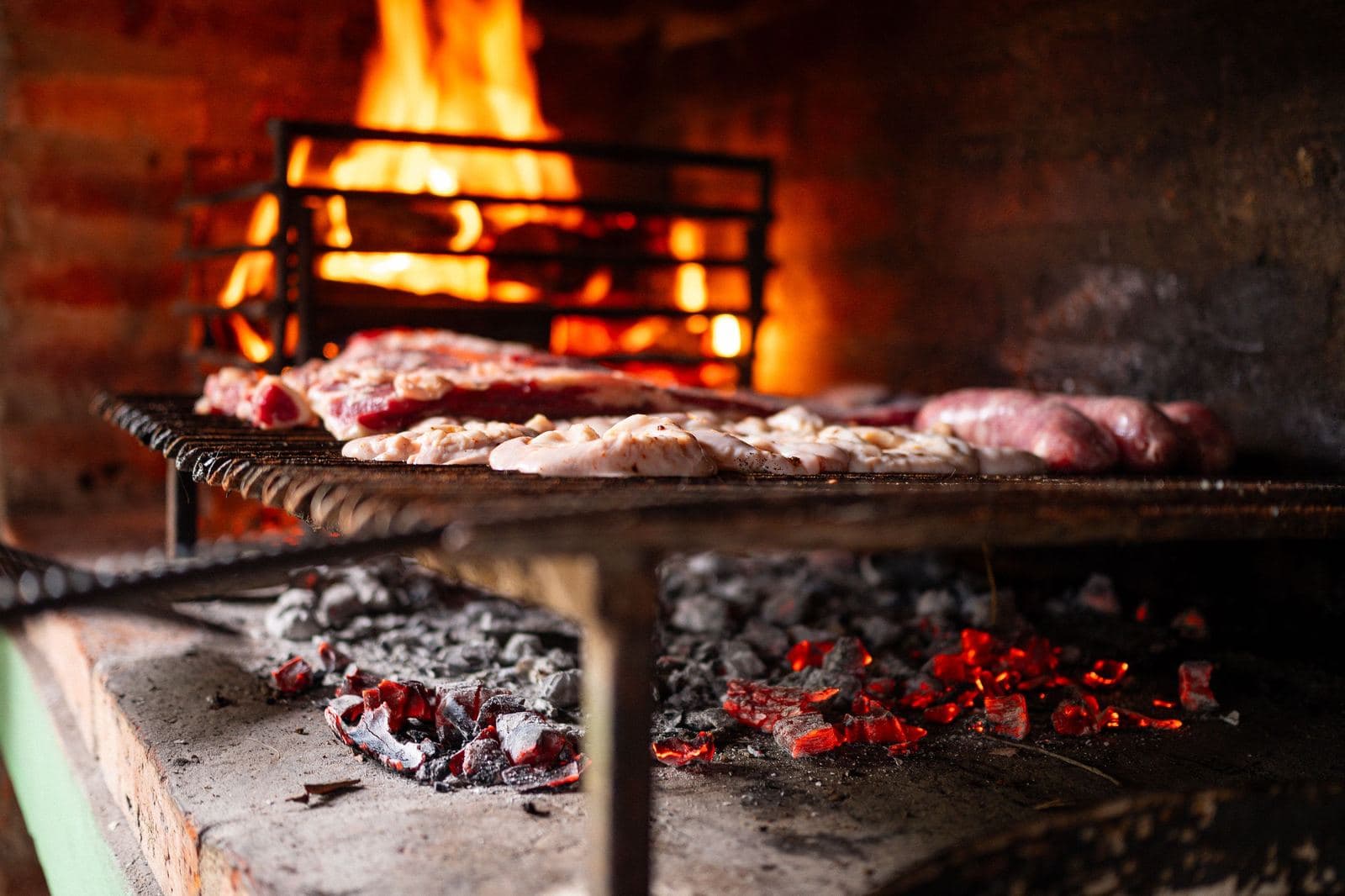
Buried Coal Mutton Leg
A whole mutton leg marinated with ginger-garlic, garam masala and butter, wrapped in foil with onions and tomatoes, and slow-cooked buried in a bed of hot charcoal.
- Prep
- 25 min
- Cook
- 2 hr 30 min
- Level
- Advanced
 Mutton & Goat
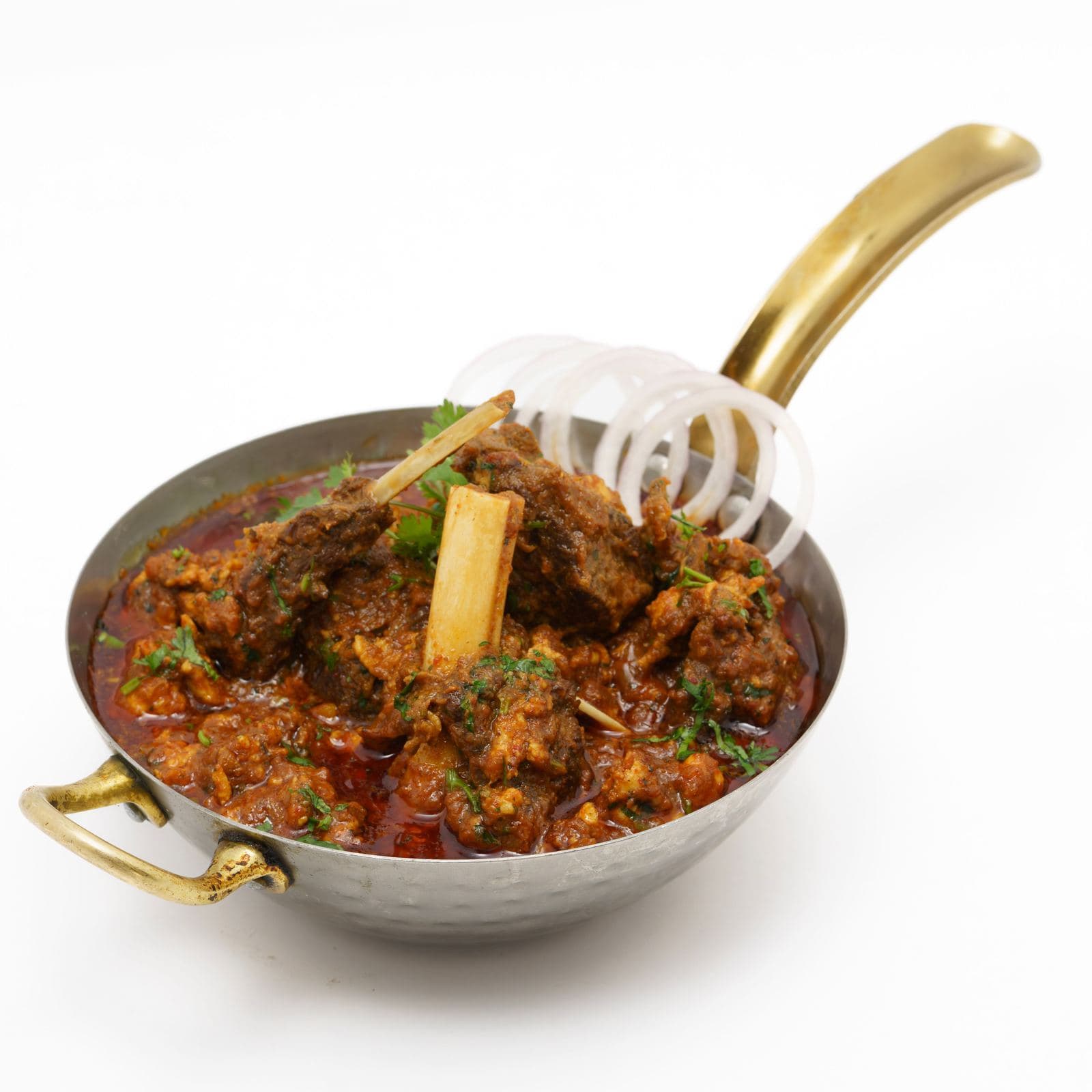
Coal-Cooked Mutton
Mutton fried until browned, then wrapped in foil with whole garlic, ginger, tomatoes, onions and green chilies and buried in hot coals until fully tender.
- Prep
- 20 min
- Cook
- 1 hr
- Level
- Medium
 Mutton & Goat
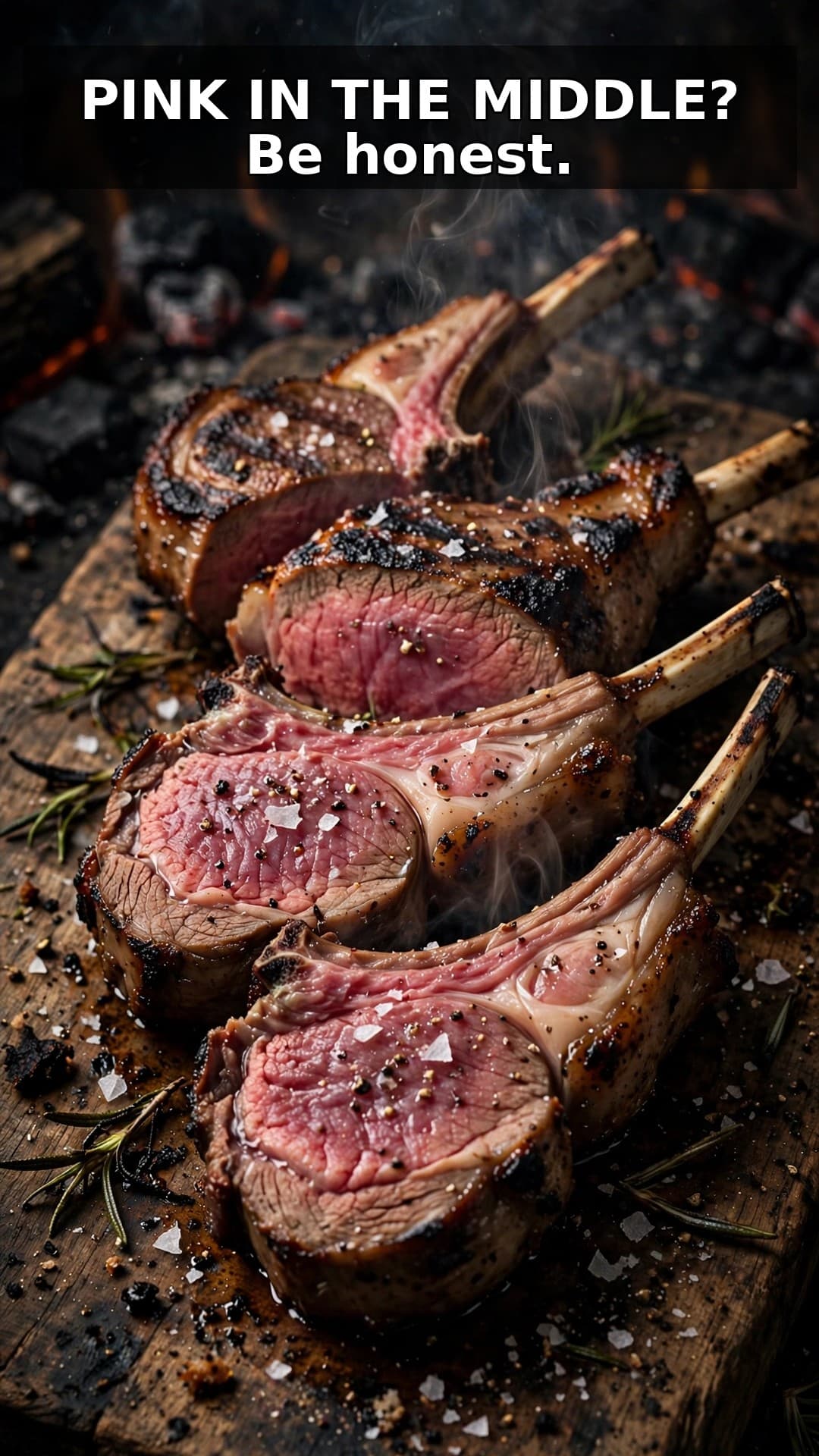
Grilled Lamb Chops with a Herb-Garlic Marinade
Lamb chops over open flame with a herb-garlic marinade: hard char outside, juicy pink centre, and tenderness decided hours before they hit the grill.
- Prep
- 15 min
- Cook
- 8 min
- Level
- Easy
 Mutton & Goat
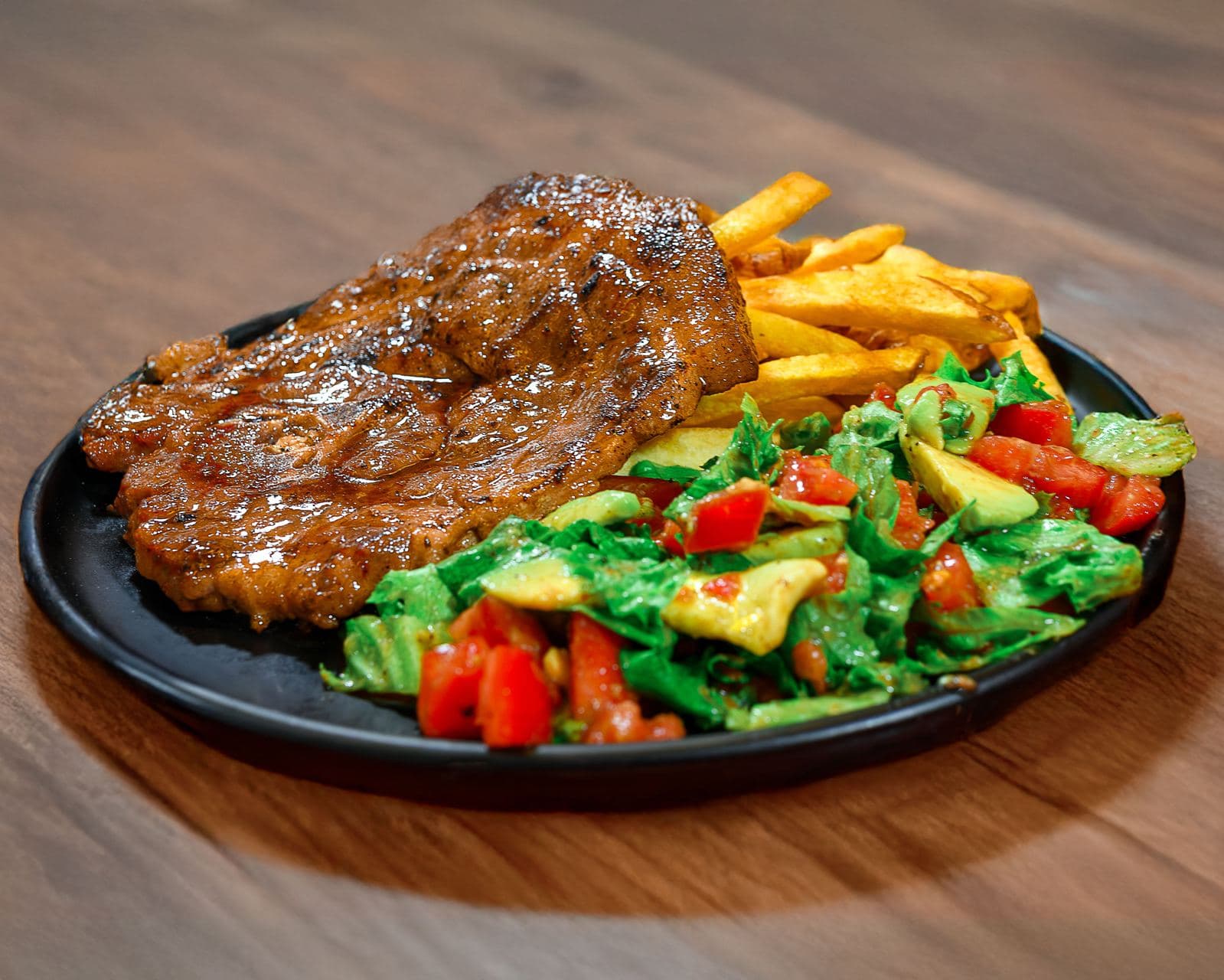
American-Style Mountain Goat Steak
A thick goat steak rubbed with garlic, paprika and herbs, then seared over a wood campfire on a hot flat stone until deeply browned and tender.
- Prep
- 15 min
- Cook
- 15 min
- Level
- Medium
Related articles
- Guides
Under-Grill Mats: How to Protect Your Deck and Patio
Keep grease, embers and heat off your deck with the right mat under your grill.
· 4 min read