Cooking Tips
Steak Bites and Crispy Potato Skillet
Bite-sized seared steak and crisp, golden potato cubes cooked together in one skillet, finished with garlic and fresh herbs for a quick, hearty one-pan meal.
By Steak House Diaries Kitchen Desk | Published | Updated | 4 min read
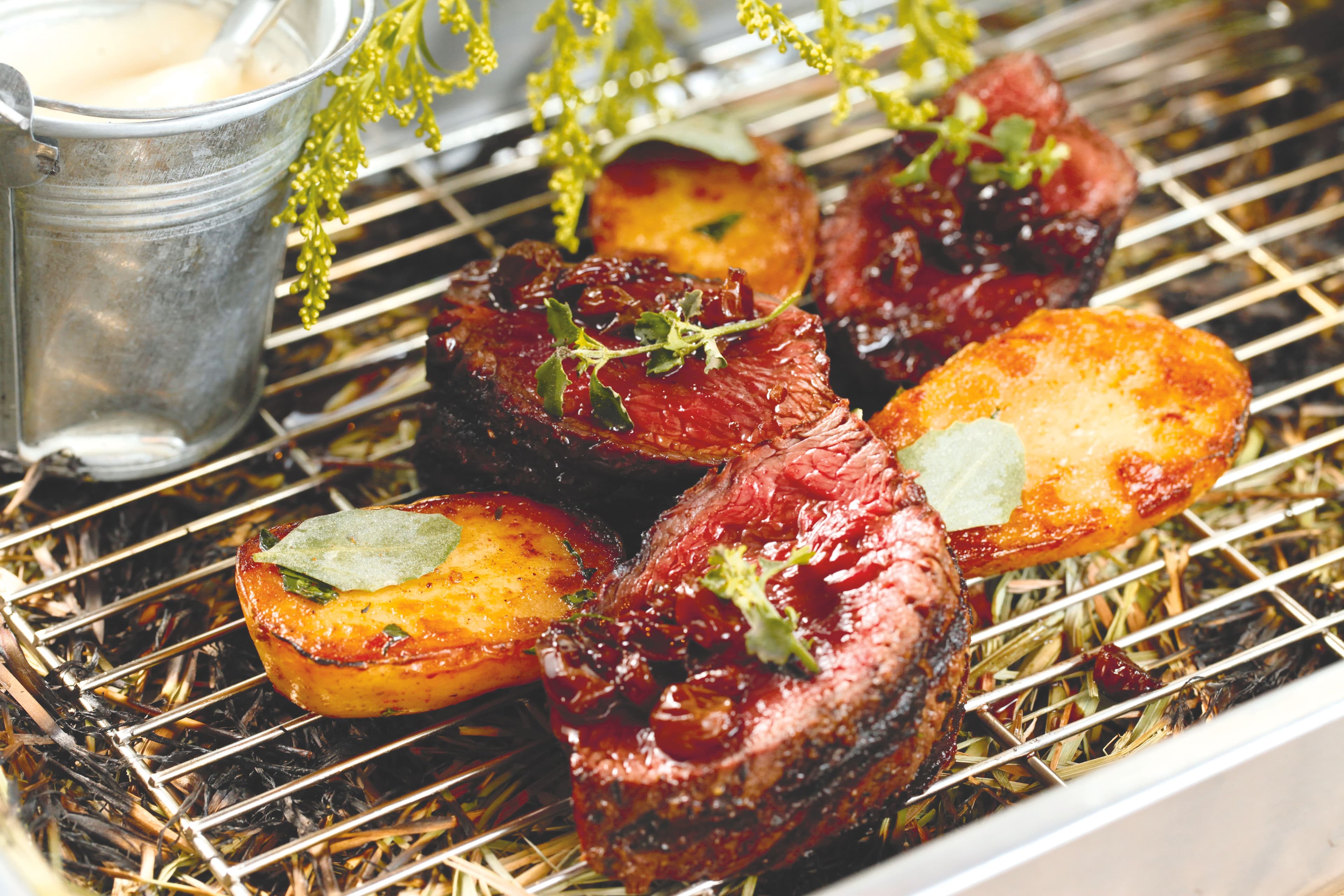
Some of the best weeknight meals come from one skillet and a hot stove. Cubed steak and crisped potatoes, cooked in stages so each gets its own deep sear, come together into a hearty, satisfying dish with almost no cleanup.
Ingredients
Serves 3 to 4.
- 1½ lb (680 g) sirloin or ribeye, cut into 1-inch cubes
- 1½ lb (680 g) potatoes, cut into 1-inch cubes
- 4 tbsp butter, divided
- 2 tbsp olive oil
- 4 cloves garlic, minced
- 1 tsp salt, divided, plus more to taste
- 1 tsp black pepper, divided
- 2 tbsp fresh parsley, chopped, for garnish
Method
Cooking the potatoes and steak in separate stages is what keeps both crisp instead of steaming in a crowded pan.
- Pat the potato cubes dry. Heat the olive oil in a large cast-iron or heavy skillet over medium-high heat.
- Add the potatoes in a single layer, season with half the salt and pepper, and cook, turning occasionally, until deeply golden and crisp on most sides, about 12 to 15 minutes. Remove and set aside.
- Pat the steak cubes dry and season with the remaining salt and pepper. Add 2 tablespoons of butter to the same hot skillet.
- Sear the steak in a single layer, working in batches if needed, until deeply browned on at least two sides, about 3 to 4 minutes total for medium doneness.
- Return the potatoes to the skillet with the steak. Add the remaining butter and the minced garlic, and toss everything together for 1 to 2 minutes until the garlic is fragrant.
- Remove from heat, taste and adjust salt, and finish with chopped parsley before serving hot from the skillet.
Choosing the skillet and the heat
The skillet is half the recipe. Cast iron or another heavy steel pan holds heat steadily, which is exactly what crisp potatoes and a good steak sear need. A thin pan cools the moment cold food hits it, and then the potatoes steam instead of crisping. Preheat the pan properly over medium-high heat before anything goes in: a drop of water should sizzle and dance, and a thin sheen of oil should shimmer without smoking heavily. If the oil is smoking hard, the pan is too hot and the butter you add later will burn, so pull it off the heat for a few seconds and let it settle. Crowding is the other enemy. Potatoes and steak both need contact with the hot surface, so cook in a single layer and work in batches when the pan is full. A crowded pan traps steam between the pieces, which is the same problem this guide warns about when it says to cook the stages separately. Listen while you cook: a steady, confident sizzle means the heat is right, while silence means the pan has cooled and the food is steaming. When you lift the potatoes out, leave the browned bits stuck to the pan. That fond melts into the butter and garlic at the end and becomes the sauce that ties the whole skillet together, so never wash the pan between stages.
Variations that keep the crisp
Once the method is solid, this skillet takes variations well, as long as every addition respects the same rule: crisp food needs dry surfaces and hot metal. Sweet potato cubes work in place of regular potatoes, but they brown faster and burn more easily because of their natural sugars, so watch them closely and pull them a minute or two earlier. Mushrooms are a good addition, but cook them after the potatoes come out and before the steak goes in, in a single layer, so they brown instead of stewing. Peppers can join the final toss with the garlic, since they only need a minute or two to soften without losing their bite. Herb and butter variations are the easiest wins. Swap the parsley for thyme or rosemary, added with the garlic at the end so the herbs stay fragrant instead of scorching. A spoon of mustard stirred into the final butter toss gives the dish a sharper edge. For leftovers, store the skillet contents in a covered container in the refrigerator and eat within three to four days. Reheat in a hot, lightly oiled skillet rather than the microwave, which turns crisp potatoes soft. A few minutes back on the heat restores the crust, and a fresh sprinkle of parsley makes it taste just cooked. For a heartier version, stir in a handful of spinach with the garlic at the very end and let it wilt in the residual heat, or top each serving with a fried egg. Both additions belong to the same one-pan spirit and need no extra washing up. Either way, serve it straight from the skillet while it is still sizzling, because this is a dish that loses its magic the longer it sits.
Frequently asked questions
What's a safe internal temperature for steak bites?
Whole cuts of beef are safe at a minimum internal temperature of 145°F (63°C) followed by a 3-minute rest, per USDA guidance; because these pieces are small, check with an instant-read thermometer rather than judging by color alone.
Why cook the potatoes and steak separately?
Cooking them in one crowded pan traps steam, which keeps the potatoes soft instead of crisp and can overcook the steak by the time the potatoes brown. Searing each in its own stage keeps both textures right.
Can I use frozen potato cubes?
Yes, but thaw them fully first and pat them very dry. Frozen cubes straight from the bag release water into the pan and steam instead of crisping, which defeats the whole method.
How do I keep the garlic from burning?
Add it only in the final one to two minutes, with the remaining butter and after the fiercest heat has passed. Garlic burns fast, and burnt garlic turns bitter and spoils the whole skillet.
Related recipes
Related articles
 Cooking Tips
How to Marinate and Grill the Perfect Steak
Scoring, marinating and grilling goat and mutton steaks so they turn out tender.
· 4 min read
 Cooking Tips
How to Cook Over an Open Fire
Building the right fire, timing your marinade and checking doneness without a kitchen.
· 5 min read