Cooking Tips
Juicy Grilled Lamb Rib Chops
How a short marinate, a hot grill and a butter finish turn lamb rib chops into a smoky, restaurant-style dish at home.
By Steak House Diaries Editorial Desk | Published | Updated | 4 min read
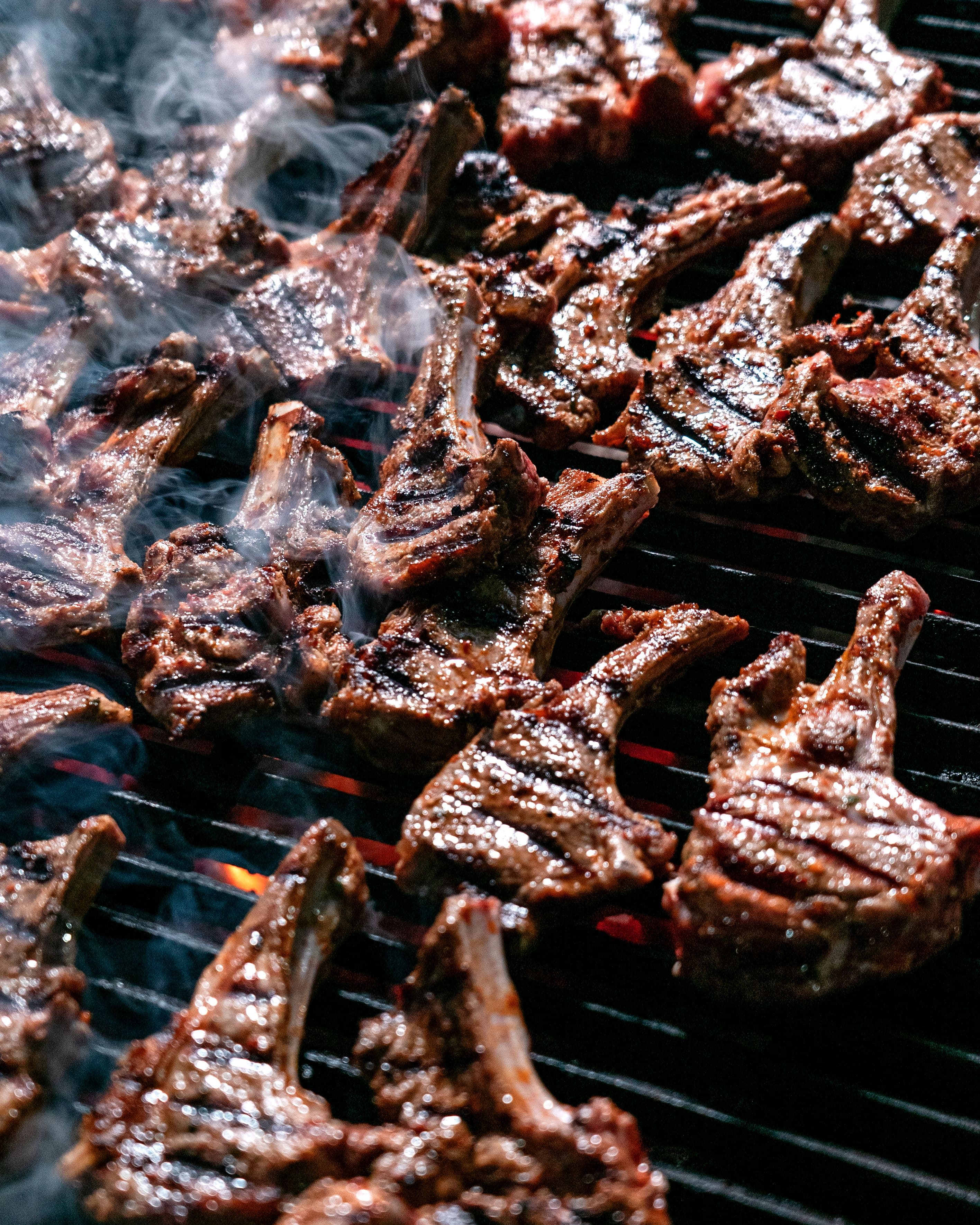
There is something special about perfectly grilled lamb chops: the smoky aroma, crispy caramelized edges, juicy meat and fresh rosemary come together to create a restaurant-style dish right at home. These juicy grilled lamb rib chops are simple to prepare but packed with rich, savory flavor.
Prepare the marinade
In a bowl, combine olive oil, lemon juice, crushed garlic, black pepper, red chili flakes, paprika, rosemary and salt. Mix well until everything is evenly combined.
Marinate the lamb
Coat each lamb chop generously with the marinade, making sure the seasoning reaches both sides. Cover and refrigerate for 30 to 60 minutes to allow the flavors to develop.
Heat the grill
Preheat a charcoal or gas grill until it is properly hot. A hot grill helps create beautiful caramelized grill marks while keeping the inside juicy.
Grill the chops
Place the marinated lamb chops directly onto the hot grill. Cook for approximately 3 to 4 minutes per side, depending on the thickness of the chops and your preferred level of doneness.
During the final minute, brush the chops with melted butter for an extra-rich flavor and glossy finish.
Let them rest, then serve
Transfer the grilled chops to a plate and let them rest for about 5 minutes, which helps the juices settle back into the meat.
Arrange the chops on a serving plate, garnish with fresh rosemary and lemon wedges, and serve immediately while hot and juicy.
Choosing chops that grill evenly
Even cooking starts at the butcher counter, not at the grill. Look for rib chops of similar thickness, ideally around three-quarters of an inch to an inch thick. A tray of mixed thin and thick chops will always disappoint, because the thin ones overcook while the thick ones are still coming up to temperature. If the chops vary, put the thicker ones on first and add the thinner ones a minute or two later, so everything finishes together. It also helps to trim the thickest cap of surface fat down to a thin layer. Lamb fat carries a lot of flavor, so you do not want to strip it off, but a thick rim of fat drips heavily onto the fire and causes the flare-ups that scorch chops. A thin, even layer gives you the flavor with far less drama. Whether the chops are frenched, with the bone cleaned, or left natural makes no real difference to cooking time, so choose whichever looks better to you; the bone makes a handy handle either way. Finally, take the chops out of the refrigerator twenty to thirty minutes before grilling. Ice-cold chops seize on a hot grill and cook unevenly, while chops that have lost their chill sear and finish in the three to four minutes per side this guide promises.
Taming flare-ups and timing the butter finish
Flare-ups are the one thing that can ruin an otherwise perfect batch of lamb chops, and they come from the same fat that makes lamb taste so good. When flames leap up, do not wave at them or spray water. Slide the chops to a cooler part of the grill, or raise the grate if you can, and let the flames die back on their own. On a gas grill, closing the lid briefly starves the flames of oxygen. Once the fire settles, move the chops back. A few charred edges are welcome on lamb, but a chop that sat in open flame tastes bitter and acrid, not smoky. The butter finish needs the same timing discipline. Butter burns quickly over high heat, which is why this guide saves it for the final minute. Brush it on when the chops are nearly done, let it foam and gloss for a few seconds, and get the chops off the grill while the butter is still golden rather than brown. If you brush the butter on too early, it will scorch and turn the whole batch bitter. A small handful of fresh rosemary tossed onto the coals or into the pan in that last minute adds a fragrant finish, and the lemon wedges served alongside are there for a reason: a squeeze of lemon over the finished chop cuts through the richness and brightens the whole plate. One last detail: let the grill grate get properly hot before the first chop goes on, and oil it lightly with a folded paper towel held in tongs. A hot, lightly oiled grate gives you clean grill marks and chops that release instead of sticking and tearing.
Frequently asked questions
Why let the chops rest after grilling?
Resting gives the juices time to redistribute through the meat instead of running out when you cut into it, keeping each chop juicier.
How do I know when lamb rib chops are done?
Check with an instant-read thermometer at the thickest part; 145°F (63°C) followed by a short rest is the USDA-recommended minimum for whole cuts of lamb.
Can I cook these on a stovetop grill pan?
Yes. Heat the pan until it is very hot, ventilate the kitchen well, and keep the same timing of about three to four minutes per side, with the butter finish in the final minute.
How long can the chops stay in the marinade?
Thirty to sixty minutes is ideal. A few hours in the refrigerator is fine, but do not leave them overnight: the lemon juice will start to soften the surface of the meat and change its texture.
Related recipes
 Mutton & Goat
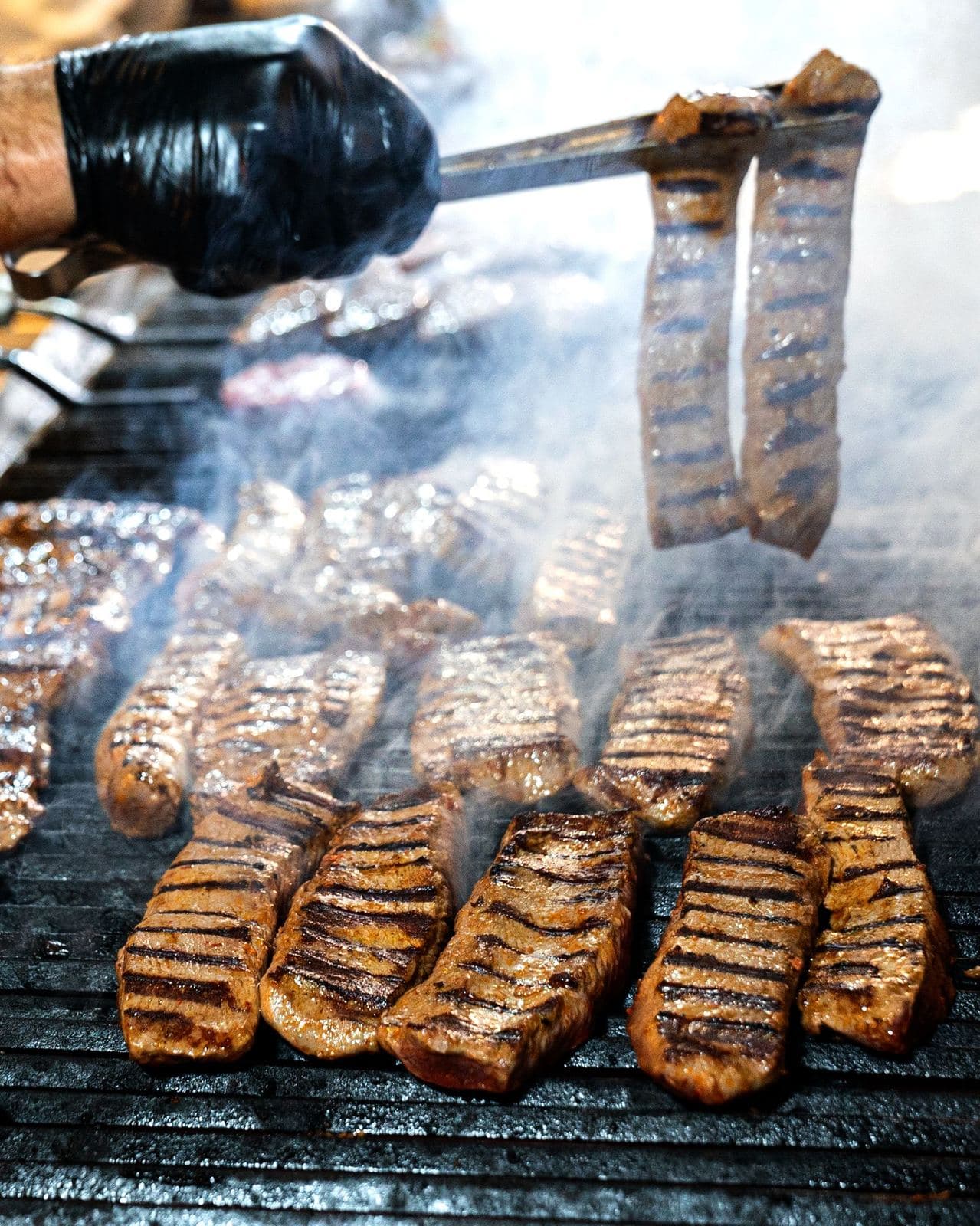
Jungle Fire-Grilled Mutton Steaks
Boneless mutton steaks marinated in ginger-garlic, crushed coriander and lemon juice, then grilled over steady wood coals until browned and tender.
- Prep
- 15 min
- Cook
- 20 min
- Level
- Medium
 Mutton & Goat
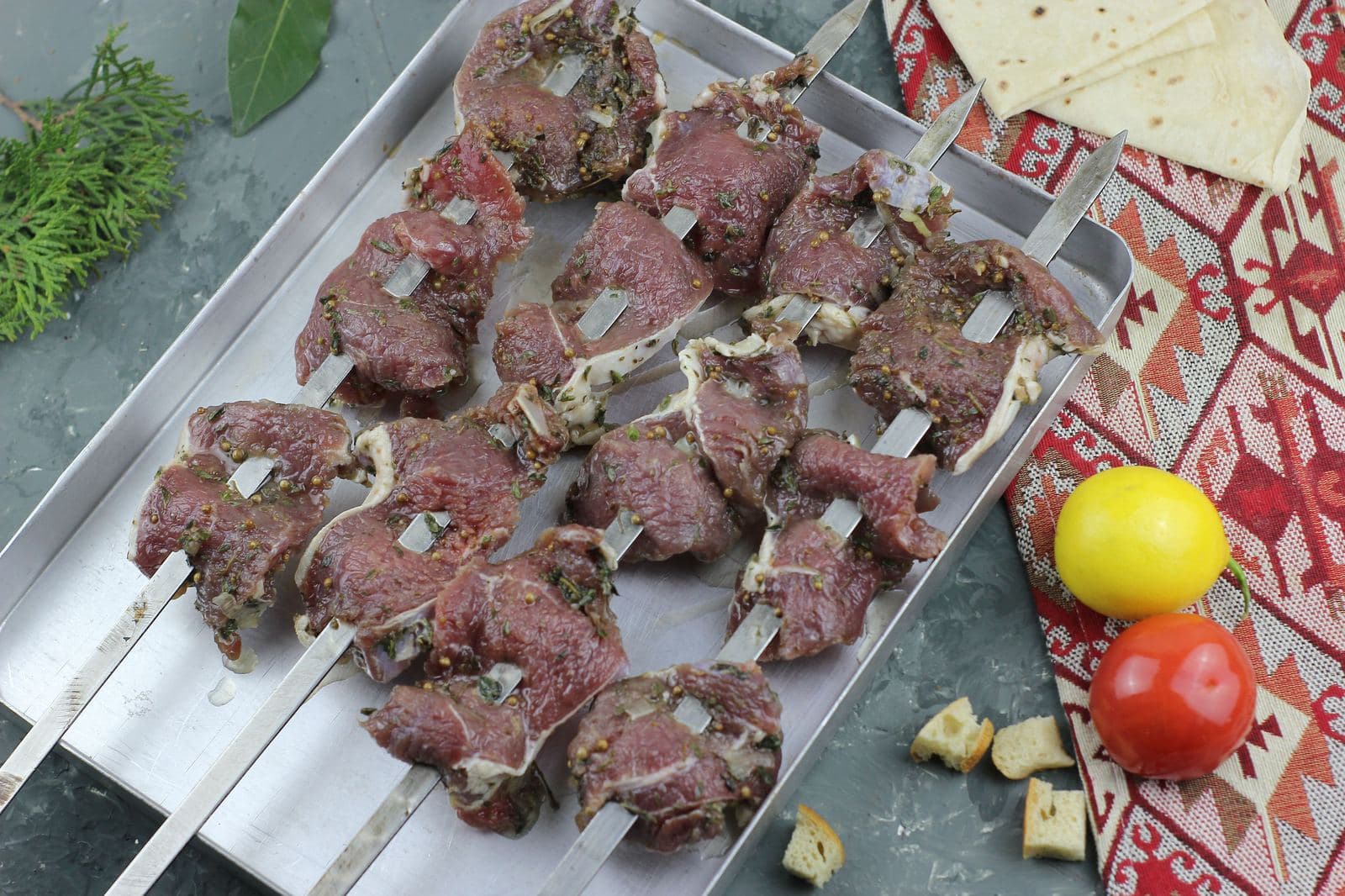
Juicy Herb-Marinated Bone-In Mutton Steak
A single thick bone-in mutton steak marinated with cheese, fresh coriander, mint and lemon, then grilled slowly over charcoal until smoky, tender and pulled easily from the bone.
- Prep
- 15 min
- Cook
- 20 min
- Level
- Medium
Related articles
 Cooking Tips
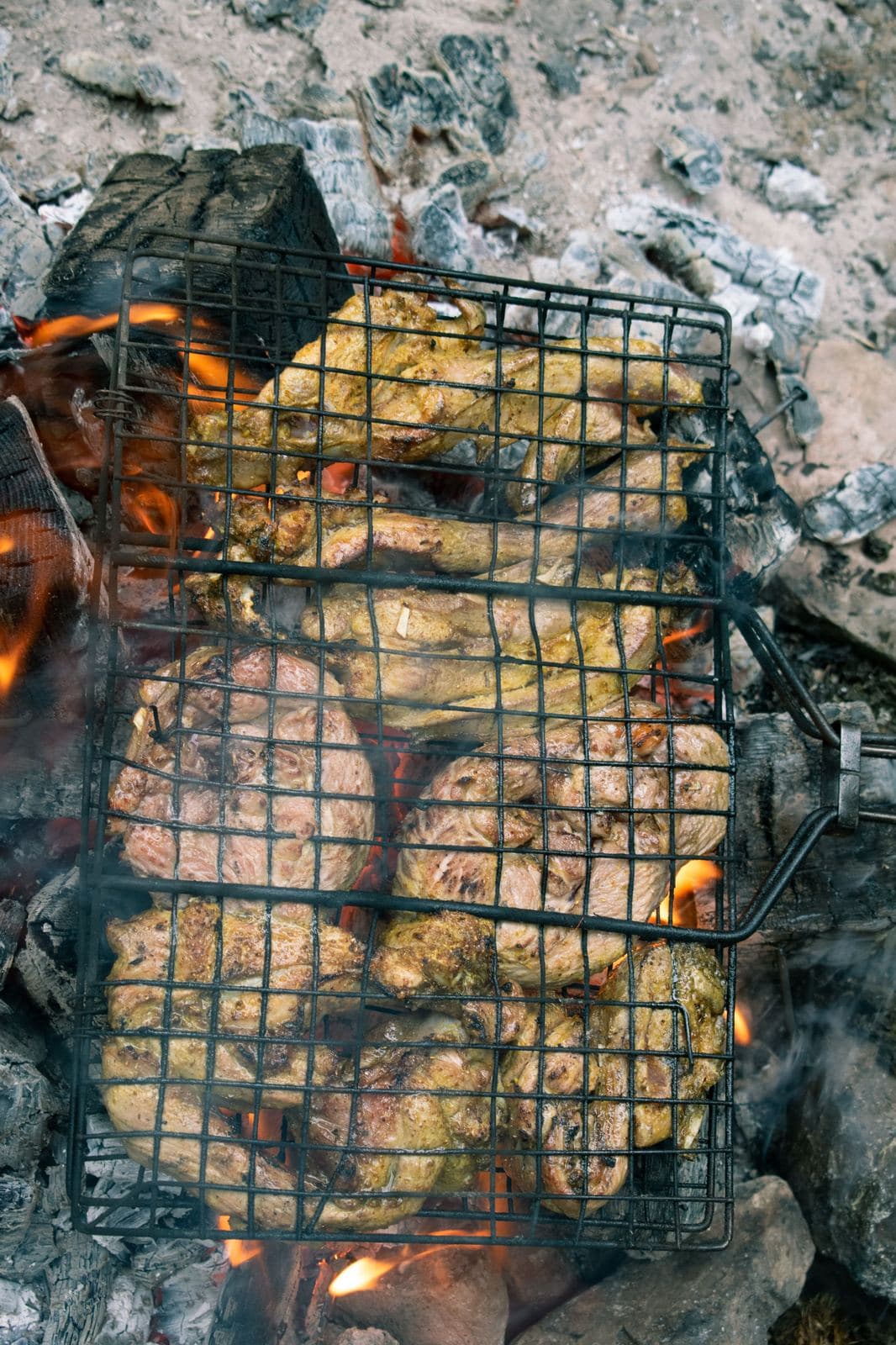
How to Cook Over an Open Fire
Building the right fire, timing your marinade and checking doneness without a kitchen.
· 5 min read
 Cooking Tips
How to Marinate and Grill the Perfect Steak
Scoring, marinating and grilling goat and mutton steaks so they turn out tender.
· 4 min read